
There’s a corner of the publishing world that almost no one talks about.
It isn’t academic publishing, though spreading knowledge is the top priority.
It feels like you’re inside a time capsule, and no, I don’t mean the TARDIS.
And while it isn’t your Instagram feed, you’ll spend your days scrolling through endless, beautiful imagery.
I’m talking about museum and gallery publishing: one of the most underrated and overlooked careers in the industry.
Before diving into my publishing placement with Glasgow Museums, I had no idea of the uniqueness of this publishing sector and no matter how hard I tried, I could not find any relevant information online. This is why, as I find myself half-way through my experience, I have come to believe that this field deserves more space in publishing and career discussions.
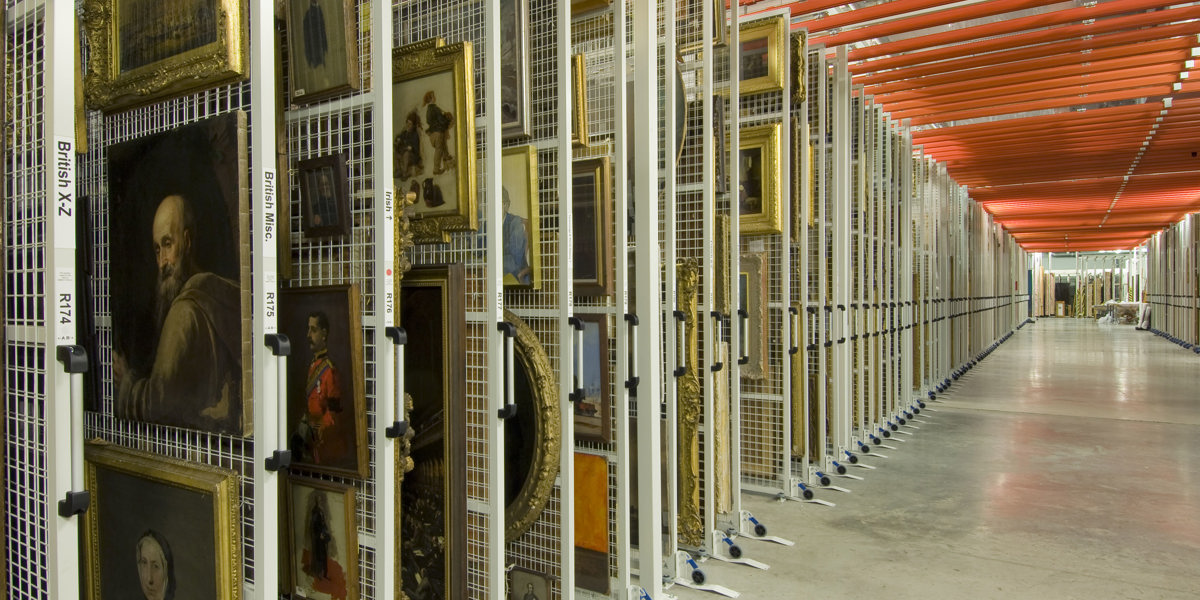
Throughout my time with this institution, I also had the chance to visit their publishing offices, located at the Glasgow Museums Resource Centre in Nitshill, which, for me, has reinforced and highlighted the hidden value of museum publishing. This opportunity gave me enough information for creating a useful list of pros and cons of working in the sector.
Why you should Consider Museum Publishing
- You will learn a lot every day from your team of curators, and even if the subject does not initially intrigue you, eventually their enthusiasm will influence you.
- Collaboration will be your bread and butter; Museum publications are essentially the hybrid product between the curator’s knowledge and the publisher’s ability but can also be the result of a partnership with another institution. The creation of these unique products is an art in and of itself.
- You will feel highly rewarded because the work’s priority is spreading your institution’s unique knowledge, with little to no competition between other museums.
- It’s an expanding field. Museums and art institutions have been exploring different avenues to release their picture-rich books in accessible, digital versions, especially regarding digitalisation.
But look out for the risks, too
- As any career in publishing, it’s very hard to break into.
- It’s a struggling sector. The decrease in funding that these institutions are enduring meant some chose to shut down their publishing department – the National Museum of Scotland is one of them.
- Deadlines can be very tight. This is especially the case for exhibition catalogues, as they must get published on time for the event’s opening day.
For me, It’s Worth Considering
In conclusion, working in this sector will reward you with the honourable task of culturally contributing to a global community of museum visitors. Plus, if you thrive in collaborative environments and if you’re naturally curious about any cultural, historical or artistic subject, museum and gallery publishing might be a career track worth considering.
Sources
Hromack, S. (n.d.). It’s Complicated: The Institution as Publisher. [online] Walker Reader. Available at: https://www.walkerart.org/reader/its-complicated-institution-publisher/ [Accessed 10 May 2026].
Hughes, S.A. (2019). Why museum and art gallery publishing? In: Museum and Gallery Publishing: From Theory to Case Study. [online] UK: Routledge, pp.1–15. Available at: https://radar.brookes.ac.uk/radar/file/3ad0c7c5-743c-498c-9637-bed6dec3f95d/1/Why%20museum%20and%20gallery%20publishing%20-%209781472437143%20-%202019%20-%20Hughes.pdf [Accessed 10 May 2026].
 MSc Publishing – Industry Accredited Postgraduate Degree