
Like many publishing students, I was drawn to the industry by a love of books and the idea of working behind the scenes of the stories I admire. Yet, as I have started thinking more seriously about future employment, I’ve become increasingly aware that finding a role in publishing is not as straightforward as passion alone might suggest.
One of the most immediate challenges when searching for roles in publishing is the concentration of opportunities in London. A quick browse of The Bookseller job listings shows that many entry-level positions are either fully office-based or require hybrid attendance several days a week. This creates a significant barrier for those unable to relocate or commute regularly, particularly given the high cost of living in the capital.
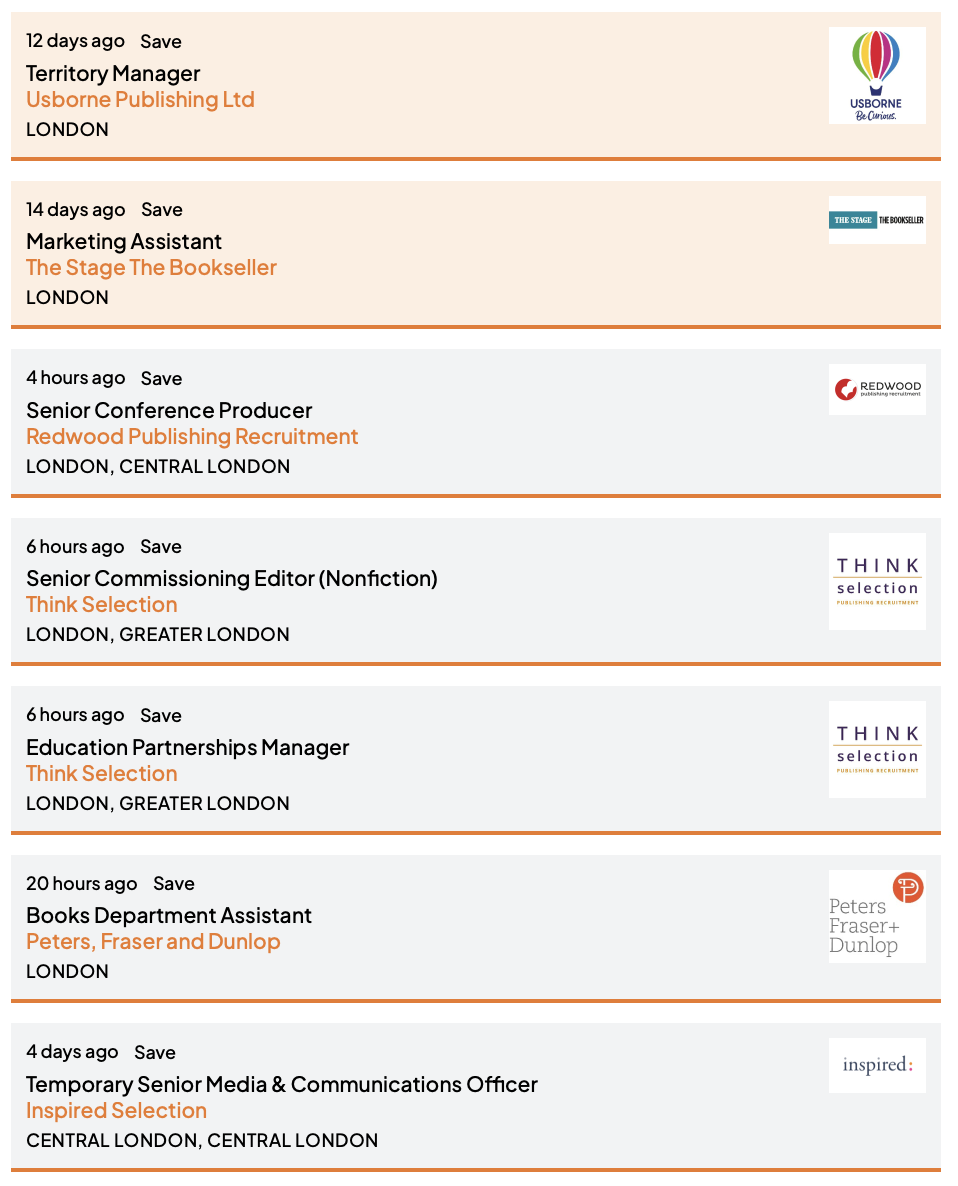
In addition to this, the expectations attached to so-called “entry-level” roles can be difficult to meet. Job advertisements for positions such as editorial assistants frequently request one or two years of prior experience, raising questions about how new graduates are expected to gain a foothold in the industry. While major publishers such as Penguin Random House and Hachette do offer internships and early career schemes, these opportunities are limited in number and highly competitive, meaning that access to the industry remains uneven despite these initiatives.
As a student preparing to enter the industry, these challenges feel particularly relevant. The emphasis on prior experience has made unpaid internships seem less like optional opportunities and more like essential stepping stones. While my own placement has provided some initial insight into the day-to-day workings of publishing, it has also highlighted how much there is still to learn. At times, this can feel slightly overwhelming, especially when trying to balance gaining experience with academic commitments. However, it has also reinforced the importance of building practical skills early on and developing a clearer understanding of where I might fit within the industry.
People, however, still love the industry!
Despite these challenges, publishing continues to attract many aspiring entrants each year. For many, the appeal lies not only in a love of books but in the opportunity to contribute to cultural conversations and bring new voices to a wider audience. This helps to explain why, even in the face of a competitive job market, so many students remain committed to pursuing a career in publishing.
My advice?
From my perspective, one of the most valuable steps aspiring publishers can take is to focus on building connections early on. Networking is often discussed in relation to highly competitive industries, but my experience – particularly studying in Edinburgh – has shown that it does not have to feel intimidating or transactional. Engaging with people within the local publishing community, both within the city and across wider Scotland, has made the process of understanding the industry feel far more accessible. Rather than encountering a purely competitive environment, I have found many individuals to be open, supportive, and willing to share advice. This has definitely made the challenges of entering the industry feel more manageable.
Although the path into publishing is rarely straightforward, understanding its challenges early on can make it feel easier to navigate. For aspiring entrants, preparation and persistence are key.
Bibliography
Hachette UK. (2022). HUK – Traineeship. [online] Available at: https://www.hachette.co.uk/landing-page/huk-traineeship.
Penguinrandomhouse.com. (2019). Internships | Penguin Random House. [online] Available at: https://careers.penguinrandomhouse.com/internships.
Thebookseller.com. (2025). The Bookseller Careers & Jobs. [online] Available at: https://jobs.thebookseller.com.
 MSc Publishing – Industry Accredited Postgraduate Degree