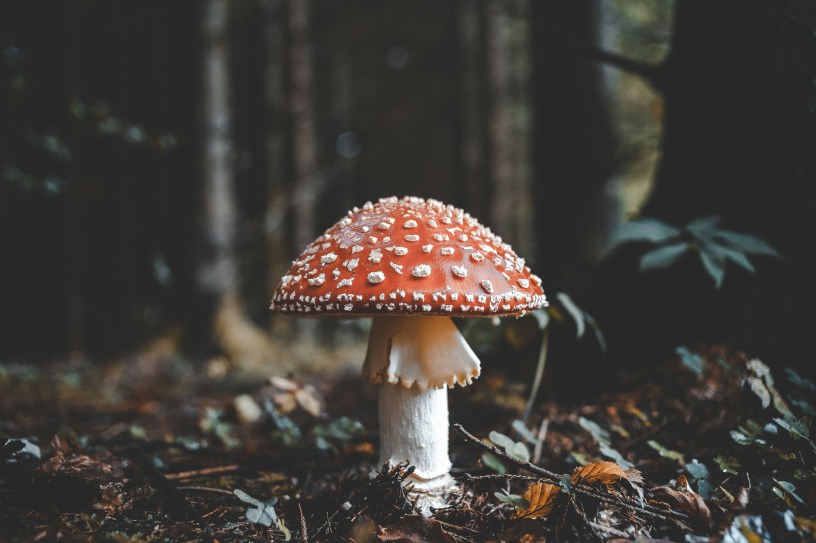
Ever wondered why mushrooms appear to be everywhere these days? From tote bags to laptop stickers, mugs to t-shirts, the spores of the ‘Shroom Boom’ can be found almost anywhere in 2026—including on our bookshelves. So, why are we so obsessed with fungi, and how is this popular trend influencing the fiction market?
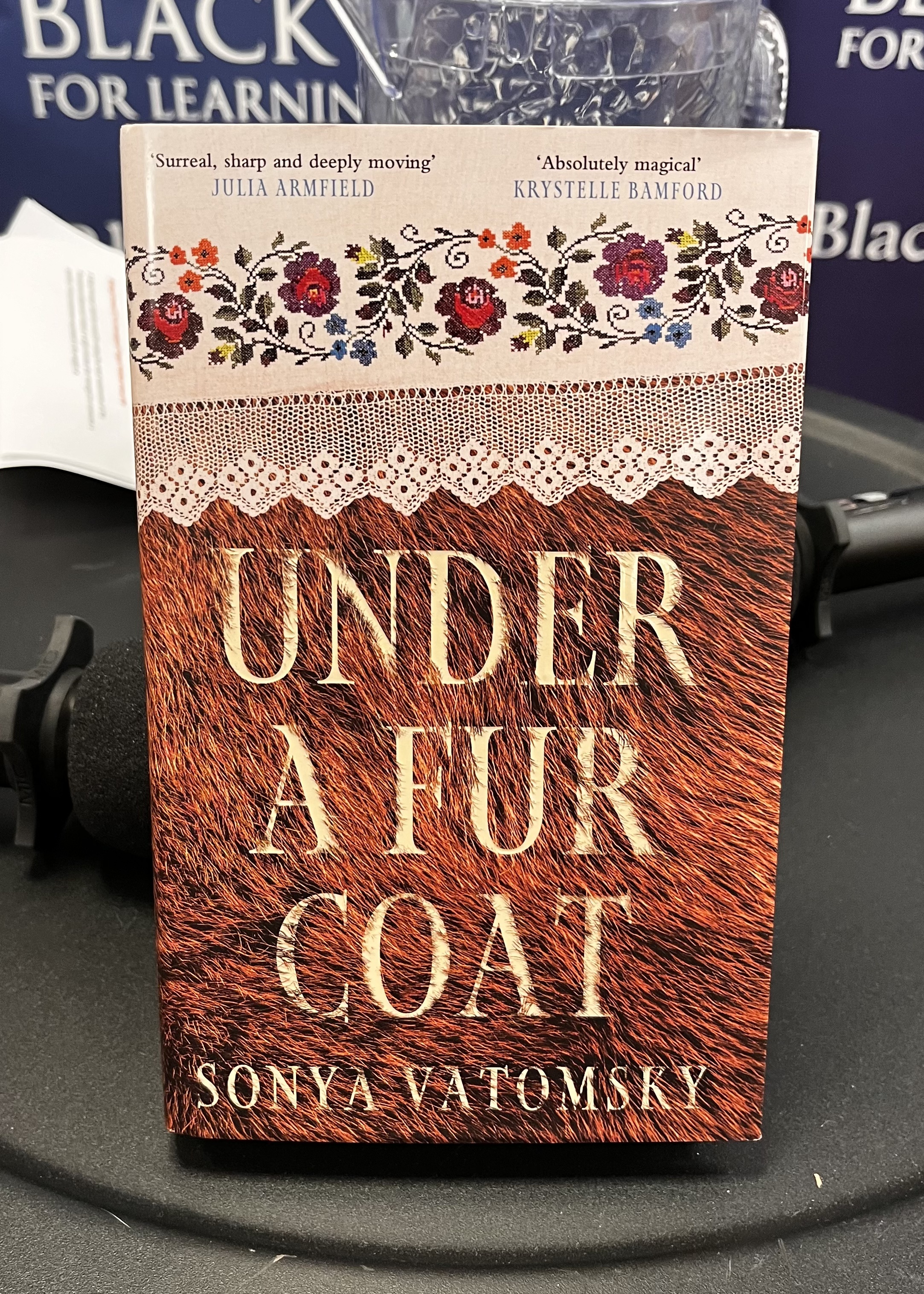
On the 25th of September, I had the pleasure of attending the launch of Sonya Vatomsky’s fiction debut Under a Fur Coat at Blackwells Bookshop, Manchester. Set against the backdrop of a remote Finnish island, the novel follows a Mancunian photographer who becomes immersed in a quest to locate a mythical bracket fungus.
After a lively Q&A chaired by acclaimed poet and novelist Jodie Matthews, and a fun mushroom pop quiz, I left the cosy warmth of Blackwell’s with something more than just a new book to add to my TBR—I, too, fell in love with fungi.
Since COVID-19, the demand for mushroom media surged exponentially. Between January 2021 and October 2026, the number of followers of the #Fungi tag on Tumblr grew from 3,000 (Meyers 2024) to a whopping 15,000. Moreover, a quick search for ‘mushroom’ on the Waterstones website yields over 1,100 results. Evidently, this is a market that publishers are avidly tapping into. And, especially after the immense commercial success of The Last of Us, a post-apocalyptic drama franchise about a deadly fungal infection, it’s proven that mushrooms sell.
But why fungi? What’s so interesting about toadstools and mycelium networks? Well, this growing interest in mycological fiction appears to go hand-in-hand with a desire for post-pandemic digital minimalism. As Jodie Matthews pointed out in conversation with the desolate, signal-less setting of Vatomsky’s novel: “lots of contemporary fiction is finding ways to get characters away from their phones.” Since the pandemic, the rhetoric around reconnecting with nature has been an unavoidable one, yet the poisonous and potentially deadly connotations of fungi also seem to resonate with readers (Fitzpatrick 2024).
This dichotomy has resulted in a fascinating trend. Despite mushrooms initially gaining popularity through “cottagecore”—a romanticised internet aesthetic of rural life popularised through TikTok (Büsken: 2024)—it is ‘Sporror’ (Spore-horror) that really may be on the rise. In a climate of ecological uncertainty, readers are increasingly interested in picking up books that engage with these fears, and botanical horror gives a platform to anxieties that are often overlooked or denied by certain sectors of the media. As a result, articles like ‘6 Fungal Horror Books to Read After “The Last of Us”’ and ‘Creeping Fungus: Nine Works of Sporror’ are sprouting everywhere as publishers continue to invest in this demand.
Still, how long will this trend really last? Well, there’s currently no sign of its decline. Mushroom-mania continues to infect our bookshelves, and honestly? I’m here for it. In a world of post-COVID eco-anxiety, maybe the scariest books are no longer about ghosts and ghouls—but about a natural world that is starting to fight back.
References:
Büsken, Lousia. “Seeking Refuge in Nature: Escapism and the Contemporary Pastoral Impulse in Cottagecore.” Aspeers Emerging Voices in American Studies, Vol. 17, 2024. pp 9-24.
Fitzpatrick, Teresa. “Fungal Futures: Eco-Zombies in the 21st Century.” Futures in Literature, Media and Culture: Pandemics, Society and the Evolution of the Undead in the 21st Century, Bloomsbury Academic Publishing, 2024. pp 205-215.
“#Fungi on Tumblr.” Tumblr, 12 Oct 2026, https://www.tumblr.com/tagged/fungi?src=suggested_tag [Accessed 12 October 2026].
Meyers, Charis. “Mushrooms Are Cool Now: The Downstream Effect.” Stylus vol. 15, 2025. pp. 25-45.
“Mushroom Search Results.” Waterstones, 12 Oct 2026, https://www.waterstones.com/books/search/term/mushrooms/page/1 [Accessed 12 October 2026].

