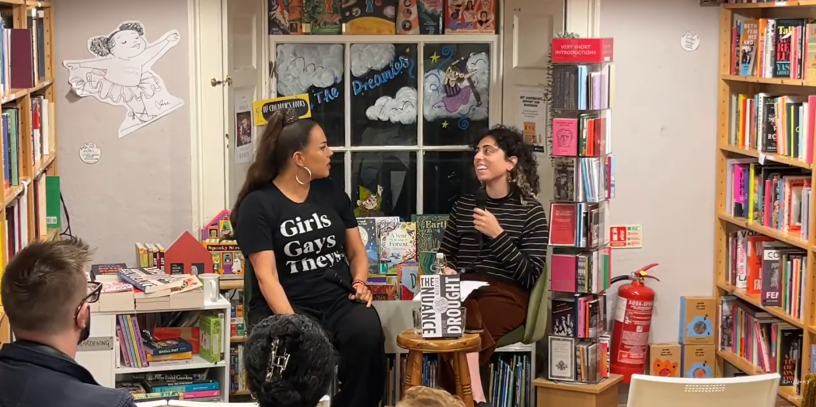
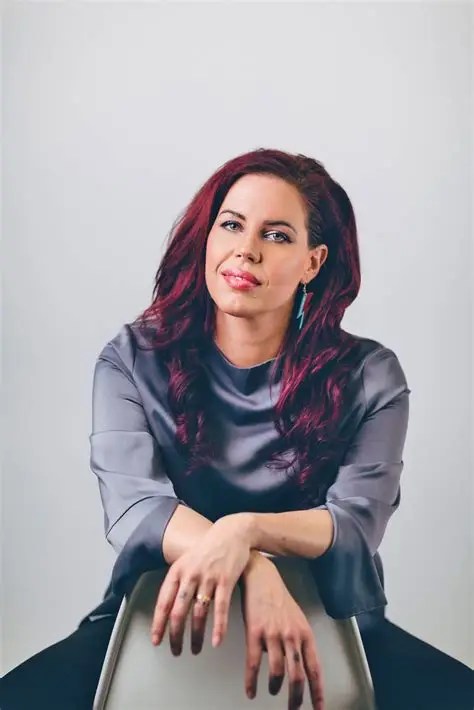
On 14 October, I attended the livestream of The Nuance Drought: An Evening with Natasha Devon, a conversation between the author and arts journalist Anahit Behrooz. The event took place at Lighthouse Bookshop in Edinburgh. With Devon’s book as the main focus, the event explored how society is becoming more divided, discussing themes like the influence of social media algorithms to how political debates and news are presented. Devon questions why people are often so encouraged to choose between opposite points of view instead of considering the “shades of grey” in between.
An interesting part of this was Devon’s criticism of the media. She recalled being invited onto Good Morning Britain to discuss claims that schools were banning the words ‘mum’ and ‘dad’. But when she read the guidance, it turned out it was about using inclusive language when speaking to groups of children from different family backgrounds. It makes you wonder how many times you have seen a headline, reacted to it and moved on without checking what was behind it. It is easy to blame people for jumping to conclusions too quickly, but what happens when the information is presented to make us react in the first place?
Devon also talked about the pressure to have an opinion. She used her colleague from her radio show on LBC as an example of someone willing to admit they don’t know what they think about a subject, preferring to have a conversation before choosing to sick to an opinion. While I agreed with her, it also makes you reconsider your own habits and think: How often do we stop and question what we are being shown? And how much of what we see online is shaped by algorithms that know what will get a reaction from us?
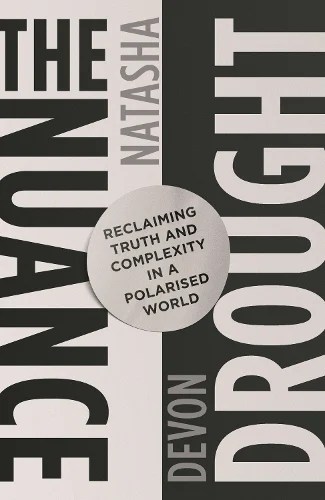
Devon explained her opinion between understanding someone and agreeing with them was interesting to hear. Empathy doesn’t mean giving up on your opinions, and nuance doesn’t mean automatically meeting in the middle. For her, it just means listening long enough to understand what is actually being said.
It was an enjoyable evening full of good questions. Devon was easy to approach, her examples made the ideas easy to follow, and watching live online meant I could take part without travelling to the venue. The event just felt like a normal conversation between friends rather than a formal discussion.
There is just one thing that could have made it better. For an event about considering different perspectives, the two speakers seemed to agree on quite a lot. Anahit asked thoughtful questions, but would have been nice to see Devon’s ideas challenged a little more. It would have been a great opportunity to put the ideas behind the book to the test.
Leaving the event with more questions than answers, it felt like a good thing and the point of this book.
Maybe we don’t always need to agree to disagree. Maybe we need to give ourselves permission not to pick a side straight away.

