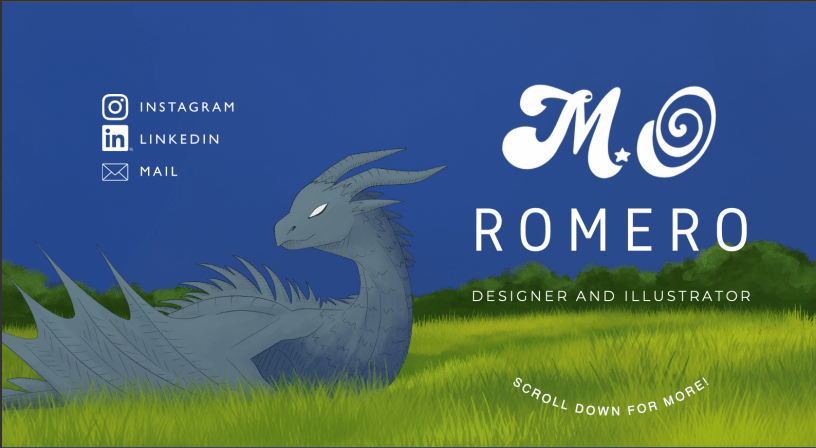
It is that time of the year again when the publishing industry starts offering summer internships for new editors, designers, publishers, and those interested in publicity. For those of us who want to get into design, we need to have a portfolio. Even though I had completed multiple illustrations, book covers, and commissions in both the MSc Publishing course and previous courses, I found myself in a predicament: I did not have a clear, professional-looking portfolio, and I was not Instagram-famous or active enough to use my art account as one.
Earlier this year, I went to the London Book Fair. Wanting to one day become an art director for book design, I attended the “AOI Panel Discussion- Getting your illustrations published”. Although it was directed towards illustrators who want to have their work published in children’s books, not necessarily designers, it was an invaluable experience. The Art Directors in the panel emphasised the importance of having a portfolio, and surprisingly, it could take any form. A lot of them claimed to look for new illustrators everywhere, from cards sold in grocery stores to Instagram feeds. They emphasised the importance of consistency in the illustration style and shared some tips for getting noticed, such as making holiday specials and demonstrating that you can work with prompts. After hearing them talk, I had the privilege of talking with some of them and showing them my work. Everyone else had large folders full of illustrations and seemed very experienced. While it was intimidating at first, I quickly realised everyone else was nervous about talking to the Art Directors as well. As beginners in the industry, we can often forget that we are all still learning and can be too hard on ourselves, especially with the influence of social media, which can make us feel behind when we are not. Patrick Insole, the Art Director at Headline Publishing Group, helped me narrow down what to use for my portfolio. He advised me to focus on the book covers I was already doing in the course and reassured me that he liked the work I had done so far, which was a huge confidence boost.
After my talk with the panellists, I was inspired to create my portfolio and went online for inspiration. After trying out many website-making tools, I landed on the most reliable (Canva). I noticed that most online advice was contradictory on many points, such as the format, length, or complexity of the portfolio. But they all agreed it had to be concise and targeted to the job you are applying for. Portfolios, like books, have to be tailored towards their audience. Too many “fun” or personal elements make it look unprofessional. Although you need to show your personal style, it is important to show adaptability and not confine yourself to a box as a designer. After reading articles from different professionals, I was able to curate my own portfolio. It has since made me much more confident when applying for designer jobs, as it displays all the work I have done throughout the years, giving future employers a visual example of my skills and experience.
 MSc Publishing – Industry Accredited Postgraduate Degree