When I started organising events for writers, I wanted to create somewhere people could share their work, meet like-minded people, and feel comfortable being themselves. What I hadn’t expected was how much these events would come to mean to me, too.
I co-run a writing group and independently run an open mic night. I’ve watched writers find their confidence, friendships form, and people return month after month. Seeing that sense of community grow is something I’m proud of.
As a disabled and neurodivergent person, organising these events comes with challenges. My energy isn’t always predictable. Some days I can manage everything; others, even the smallest tasks feel overwhelming. I’ve struggled to slow down, but asking for help has been even harder.
Asking for help doesn’t make you any less capable
When you’re passionate about something, it’s tempting to take responsibility for everything. Between promoting events, keeping up with messages, connecting with venue staff, and handling last-minute tasks, there’s always something needing done.
I’m getting better at asking for help. Besides, there’s no prize for running yourself into the ground to prove you’re capable of doing it all.
Accessibility starts with the decisions we make
Before choosing a venue for my open mic, step-free access and an easily accessible disabled toilet were non-negotiable.
Having experienced inaccessible spaces myself, I know how upsetting and isolating it is to miss out on something others can enjoy without a second thought. But accessibility extends beyond the building. Clear information, comfortable seating, opportunities for breaks, and allowing people to participate without pressure matter.
My experiences influence these decisions, but everyone’s accessibility needs differ. Listening to people and being willing to make adjustments are just as important.
Passion and exhaustion can exist together
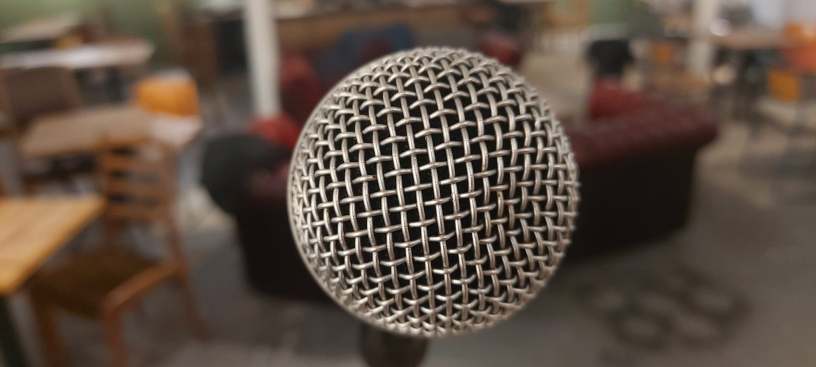
Watching someone approach the microphone nervously, share their words, and receive encouragement afterwards never gets old. But the preparation, hosting, and recovery all require energy. Even after a brilliant event, I can be exhausted. Making time to recover is important, especially when I want to keep doing something I enjoy.
Not everything needs to go perfectly
People cancel, timings change, and unexpected problems happen. But an evening’s success isn’t measured by whether everything runs precisely to schedule. It’s in the conversations afterwards, the friendships formed, and the writer who finally feels confident enough to share their work.
Those are the moments I remember.
Community is something we create together
Watching writers celebrate one another and give each other a chance to be heard has been one of the most rewarding parts of running these events. Although I organise events, it’s the people who turn up who make them what they are. I’m proud of what we’ve created and grateful for everyone who’s helped make it possible.
There will be days when my health takes priority or I need support, but that doesn’t diminish what I’ve achieved. Making space for other writers matters to me, and I’ve come to realise I deserve that same kindness, encouragement, and consideration in the spaces I help create.

