
Between New Zealand, London and Scotland
I was at the Edinburgh Literary Salon when I heard D. V. Bishop, a multi-genre author and creative writing professor, talking about his relocation to Scotland. As an editor in London, Bishop found himself working seventy hours per week, crushed by competition and a high cost of living: he ultimately burnt-out. While the publishing industry is one of the most London-centric in the UK, a question arises: is success still possible living elsewhere?
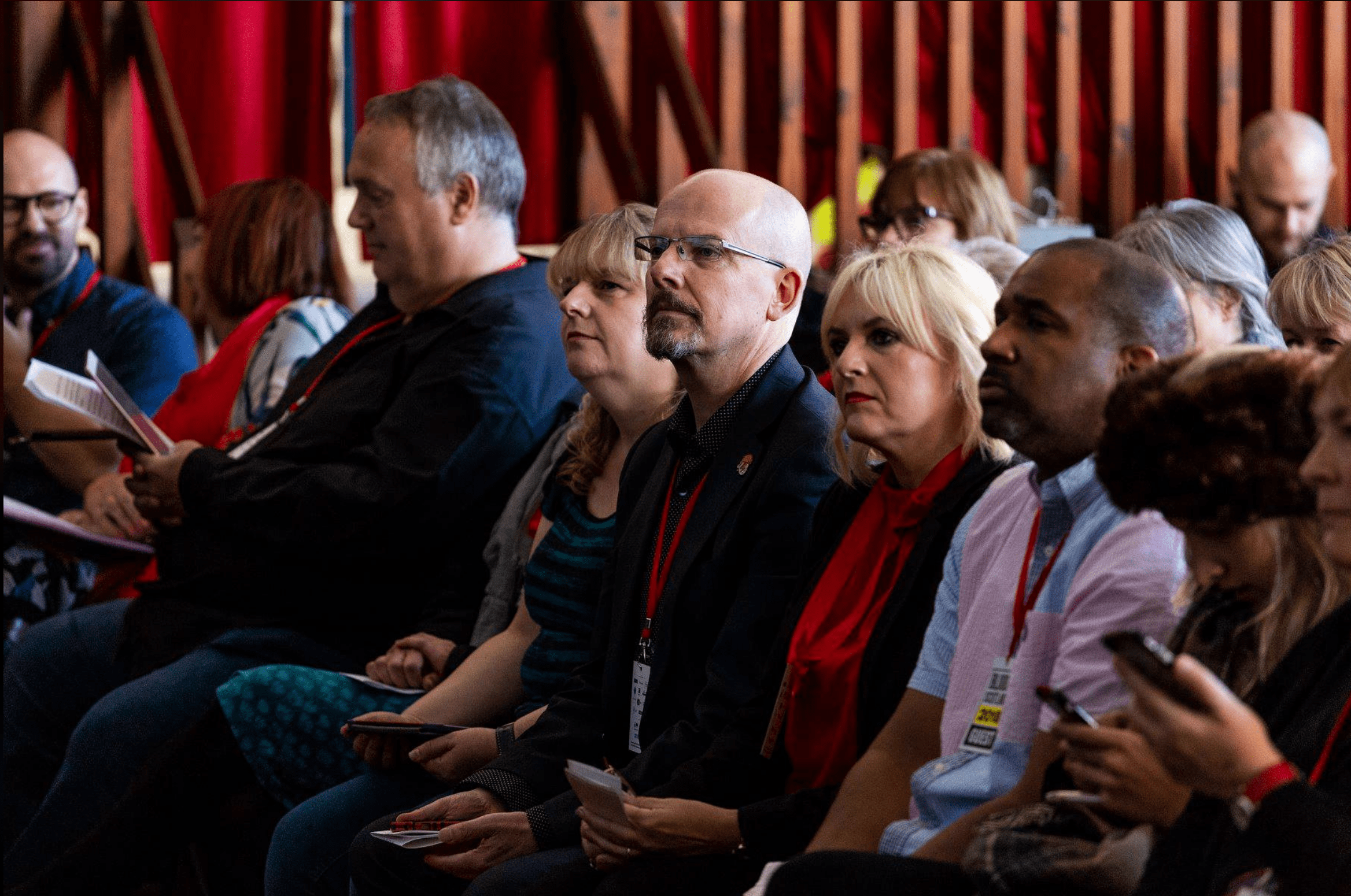
Talent breeds talent. Talent attracts talent to itself. […] You need 1 or 2 people [sort of] rise up and demonstrate that you can succeed from a place, and then everybody else goes, ‘Oh, okay! We can do that here’.
D. V. Bishop, Edinburgh Literary Salon, September 30th 2025
In Bishop’s experienced opinion, yes. Being from New Zealand, he mentioned how Peter Jackson made the conscious decision to not go to Hollywood, even at his disadvantage. Once his international career took off with his participation to the 1995 Oscars, New Zealand flourished with a new generation of creative talent. Essentially, if you are determined and make the best with what you have, you can be successful where you are. Doesn’t this sound reassuring? Well, it’s not as simple as that.
The London Bias
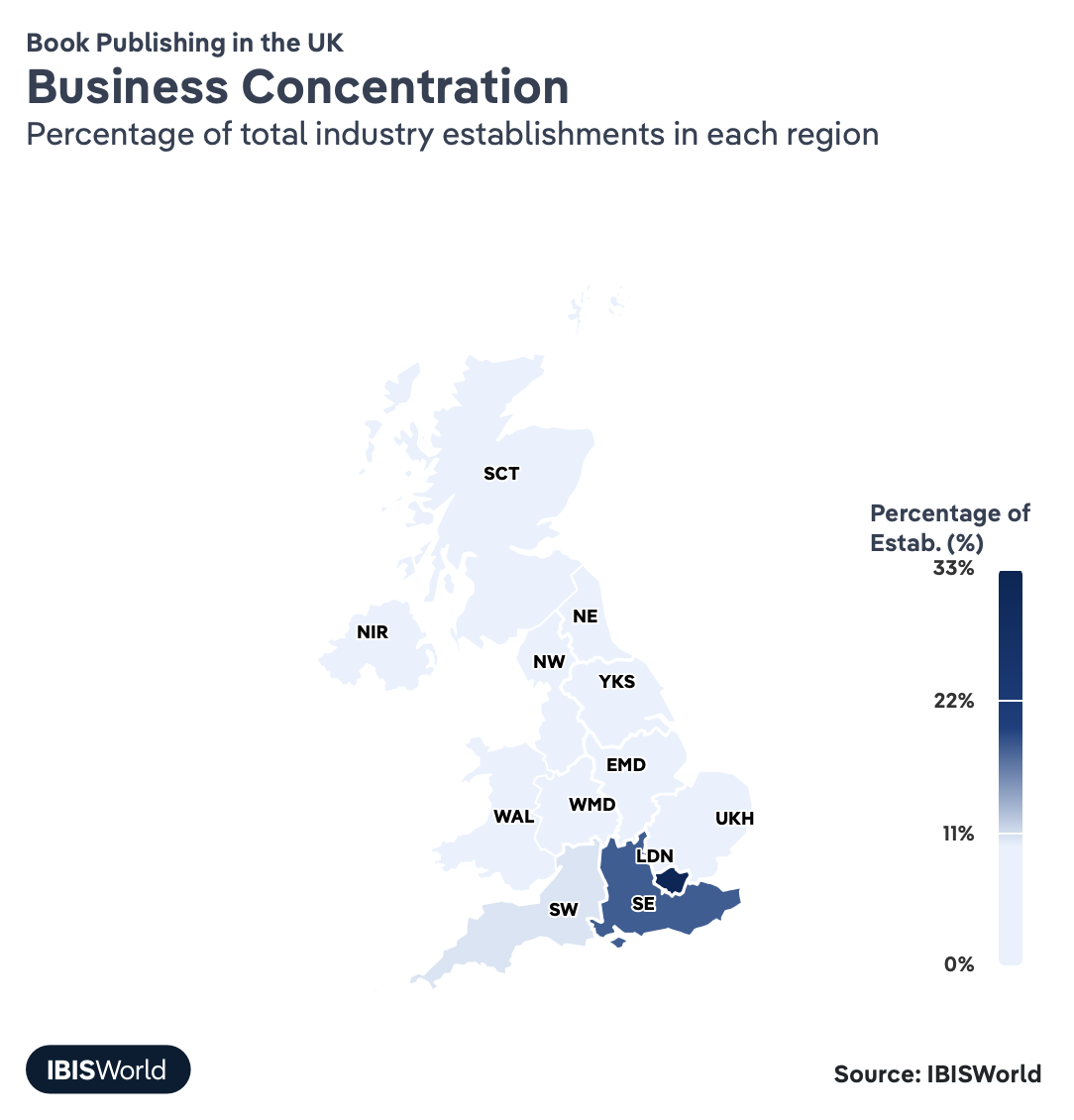
Outside London, where the Big Five operate, writers are often perceived as interchangeable. The industry looks for the very titles that feel familiar to their workforce – middle and upper-class London. As a result, many regional authors are struggling having their voices heard. For example, fiction authors that include Welsh, Northern, Scottish or Irish dialects, are disadvantaged compared to standard English writers. Similarly, publishing a rural, farming-life novel would be considered a risk.
This phenomenon affects regional publishers too. Since London tends to overlook rural authors, independent publishers are left alone with the responsibility of increasing diversity in the industry. However, this reinforces the publishing industry’s divide between London and the rest of the UK, isolating regional businesses further. So, how do these publishers feel?
An Attempt to De-Centralise the Industry
[…] Industry reports have shown us how white, middle-class and London-centric our industry still is, both in terms of workforce and the range of writers being supported and published. The lessons from these findings are clear: if you don’t have a diverse workforce or product, sooner or later you will disappear.
The Northern Fiction Alliance (2018) Open Letter to the London-centric Publishing Industry. Available at: http://northernfictionalliance.com/news/an-open-letter-to-the-london-centric-publishing-industry/

Sparked by a sense of loneliness, in 2018, the Northern Fiction Alliance1 sent an “Open Letter to the London-centric Publishing Industry” launching a challenge: to establish a presence outside of London. The goal was to encourage the Big Five to take responsibility for the lack of diversity in the industry. In 2025, while two of them opened regional branches, only one – Hachette – seems to put effort into diversifying the industry.
When we do have examples of successful rural and regional authors, being valued by publishers is still a challenge. Also, it is important that class, location or language can’t be held responsible for the lack of diversity in mainstream titles. On the other hand, larger publishers should actively devote their mission to the very voices they’ve been ignoring.
Sources and Bibliography
- Bowden, Jen. (2025). Publishing the North: Bias, Diversity and the North–South Divide in the UK Book Industry. Publishing Research Quarterly. 41. 174-192. 10.1007/s12109-025-10035-7 Available at: https://www.researchgate.net/publication/393783032_Publishing_the_North_Bias_Diversity_and_the_North-South_Divide_in_the_UK_Book_Industry.
- Comma Press (2019). The Northern Fiction Alliance Column: introducing Comma Press. The State of the Arts. Available at: https://www.thestateofthearts.co.uk/features/the-northern-fiction-alliance-column-introducing-comma-press/.
- Preston, S. (2024). Where have all the rural voices gone from English fiction? The Big Issue. [online] 30 Mar. Available at: https://www.bigissue.com/culture/books/rural-voices-english-fiction-books-borrowed-hills/
- The Northen Fiction Alliance (2018). An Open Letter to the London-centric Publishing Industry – Northern Fiction Alliance. [online] Available at: http://northernfictionalliance.com/news/an-open-letter-to-the-london-centric-publishing-industry/
- Originally founded in 2016 by Comma Press as an attempt to support emerging Northern English publishers, today the NFA represents about 30 publishers. ↩︎
 MSc Publishing – Industry Accredited Postgraduate Degree