
Ebooks and digital text were once hailed as the doom of print. Over a decade later, neither format having destroyed the other, publishers now use both to reach more customers and provide more product options. Public undervaluing of content has, however, meant competing with cheaper digital editions requires physical content to adapt.
Readers haven’t lost interest in tangible reading experiences. If anything, Kirstie Beaven of Sonshine magazine recently noted, the pandemic and screen-centric modern life has made people even more interested in reading physical texts during leisure time. Publishers recognise the desire for tactile products. But customers must see these as worth the higher price. Rising public expectations of cheap content is being countered by improved products, typically in quality or quantity.
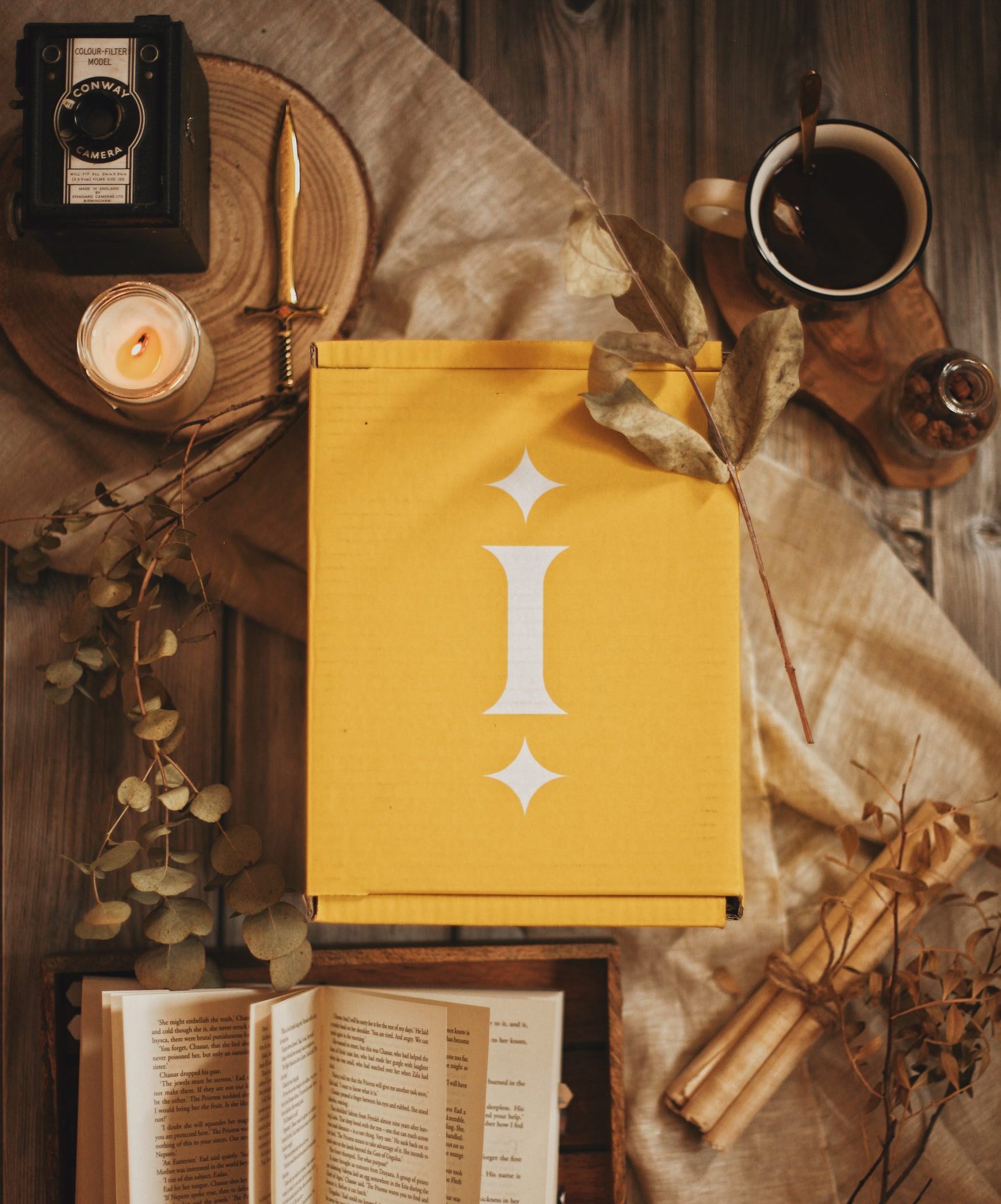
For quantity, subscriptions are one option. Book boxes exemplify premium experiences over classical purchases. Companies like Illumicrate and Woke Babies send books to subscribers with additional materials. They combine the childhood joy of receiving post, a hunger for new stories, and a surprise. One emphasises fandom and genre merchandise while the other specialises in recreational learning products; both use additional elements in their marketing strategy. Both add to the products they offer to distinguish their business from ebooks or traditional retail. Certain magazines echo this decision. Doni Aldine of CULTURS and Rory Brown of AgriBriefing recently discussed how their subscriptions have diversified from ‘just’ magazines. Aldine spoke of her company’s luxury, experiential product packages featuring cultures highlighted in the print issues; Brown revealed the market research leading to legal and consulting services being added to his magazine subscription model. Here publishers recognised adding to their product with recognisable, memorable benefits meant customers would pay more for these products than cheaper competing goods.

Other businesses instead increased the perceived value of products rather than expanding them. Special editions have increased in drama and frequency in bookshops, with sprayed/stencilled edges, illustrated dust jackets, and specially commissioned endpapers. Often exclusive to specific retailers and businesses, these alterations counterbalance cheaper digital options. The luxury of certain editions or production choices makes these books seem better value for money than something lacking the aesthetics of alternatives. . Some businesses have even gone so far as to remove additional content in favour of higher quality substance. Lulu Skantze deliberately opposes her children’s magazine Storytime against its competitors, eschewing toys in favour of quality content and all the benefits of childhood reading.

This distinction, while making the retail environment to hostile for long-term success, has allowed the magazine to reach over two million children in more than sixty countries. This strategy relies on the USP, whether it be formatting or content, being sufficient to stand above other options.
So while digital and physical content continue to exist alongside one another, and print is not dead as doomsayers once foretold, there has been a need for print media to re-establish its value to consumers. Publishers have stepped up the challenge by improving their pricier physical items to counterbalance the flood of digital content, balancing this against the ‘better value’ of these greater products.
 MSc Publishing – Industry Accredited Postgraduate Degree