
For the past four months, I have been interning at boom saloon, an independent, not-for-profit arts and culture magazine located in Edinburgh. Boom saloon’s aim is to democratise creativity for all and consists of an annual print magazine, online features, a membership model and creative studio funding and fulfilling various charitable efforts.
In my very first interview for the editorial internship, the brains behind boom, Rachel Arthur, made it clear that the role required “all hands on deck”. She wasn’t kidding. Throughout my time spent at the studio, I’ve come to learn that for an independent publisher to stay afloat, it must be manned by a committed crew of skilled jacks of all trades who can weather any incoming storm.
On-Boarding
In the golden Age of Sail (mid-16th to mid-19th century), boats ferried stock to and from Europe and across the globe. Many countries sought the enormous wealth sea trade provided. However, sailing wasn’t easy and proved to be a risky business. It’s estimated that about 5% of all ships were lost on voyage, mostly due to adverse weather conditions or navigational errors. However, ships faced countless other problems, illness and disease to name but a few.
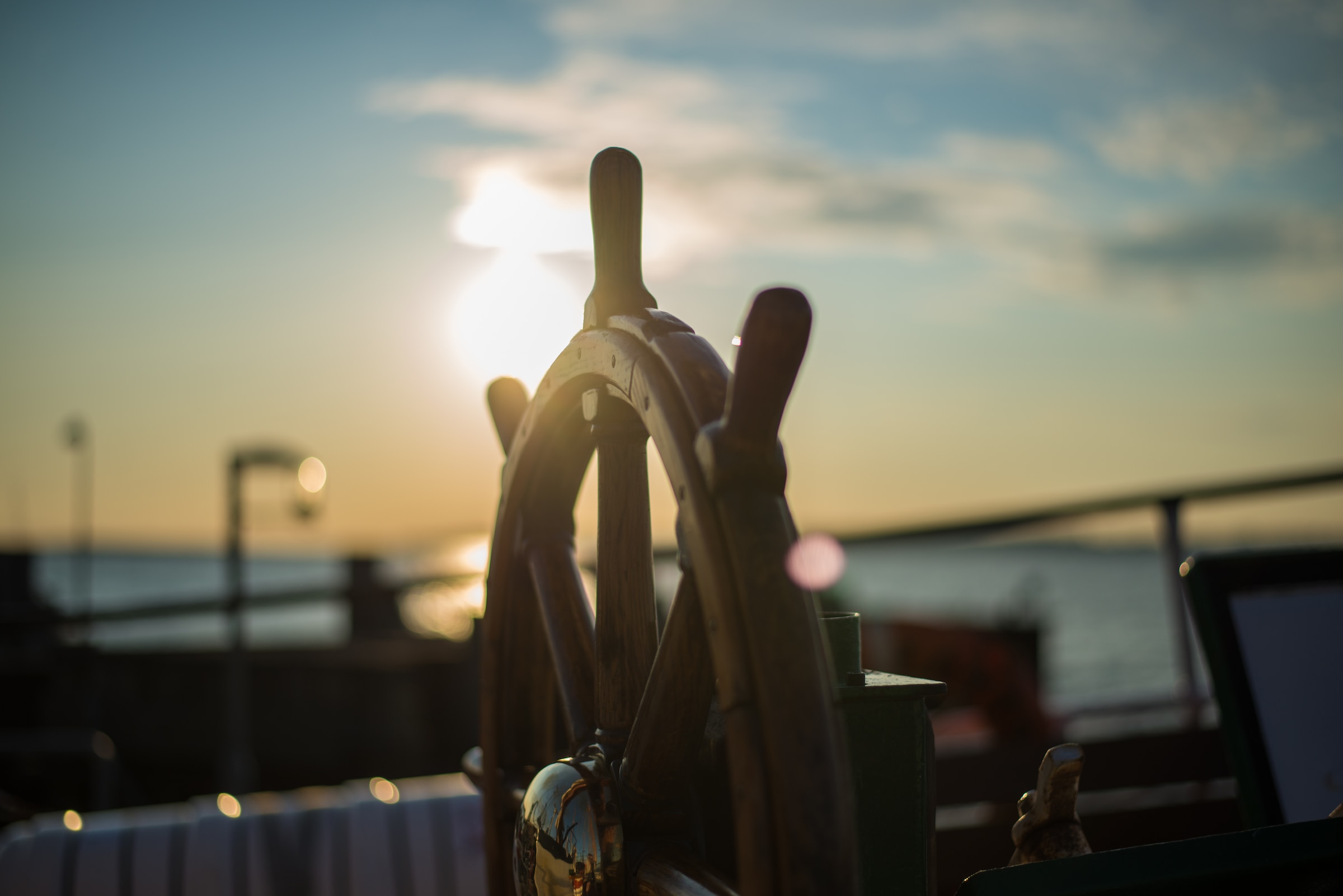
Ship crews usually consisted of (with multiples or variations of the roles listed depending on the ship’s size and duties):
- Captain
- First mate
- Second mate
- Bosuns
- Carpenters
- Deckhands
- Stewards
- Cooks
- Powder-monkeys
- Pursers, and dozens more
Every role was necessary to ensure the ship got from A to B safely and on schedule. Sure, the captain oversaw everything, but every deckhand was as important as every bosun, and every bosun as important as every first mate. Sailing required incredible teamwork and one loose cannon could spell doom for the ship, its cargo and its entire crew.
My onboarding at boom saloon consisted of meeting the other team members as well as spelling out what my duties would involve. I was introduced to the passionate captain, Rachel, and her first mate, graphic designer Finlay Milne. And that was it. Only two crewmembers were sailing boom saloon through stormy waters. From the outside, I had assumed there were many deckhands and pursers pulling strings and tending to problems below deck.
From the get-go, it was made very clear that I too would switch roles on the fly depending on what part of the publisher needed tended to that day.
Rough Seas Ahead

At first, I was overwhelmed. I was expected to start my day as a deckhand, emailing potential contributors for boom saloon’s online content. At midday I swapped my hat to that of a second mate, providing feedback or opinions on Finlay’s designs and work. By the end of the day, I was the captain, overseeing editorial on an online feature being published that evening. I swapped roles frequently, utilised various skills and tools at my disposal and approached problems such as writers missing deadlines or writing my own online features, while also jumping between several other things.
Likewise, Rachel started a day as the captain, commandeering her crew in the daily direction before switching to the purser to work on the publisher’s finances, or working on the magazine’s social media, taking on the role of a carpenter. This elegant dance, which Rachel and Finlay both were experts at, demonstrated how running an independent publisher was not always smooth sailing.
Things were missed, emails were accidentally sent too early, missing valuable information, or deadlines passed regarding content drops. Maybe a contributor dropped off the face of the earth when it came to their day to perform an Instagram takeover, or somebody forgot to go to the printers before they closed, missing out on valuable time and therefore missing planned deadlines. Whatever could go wrong, would go wrong. But the team at boom saloon would pick themselves up and attempt to turn the tide. It wasn’t always successful, but it normally was, and through sheer drive and perseverance, the ship kept on sailing.
Only 40% of startup businesses survive their first three years of business
Fundspire
I was told from the start that boom saloon wasn’t a single person, but a plural, a ‘we’. It wasn’t until I was part of the crew myself that I realised it was much more than that. In truth, boom saloon’s team were swapping hats on the fly, becoming boatswain, deckhand and cook in quick succession, all while maintaining the mystique of a full-bodied crew for all those not aboard. Rachel runs a tight ship. And, as I suspect is the case in many independent publishers, these same antics happen behind closed doors.
Shipshape
Only 40% of startup businesses survive their first three years of business, with the rest failing before then, 20% failing in their first year alone. Boom saloon has been around since 2016 and is in the greater 40% of that figure. And while this should be celebrated, my time with boom saloon has demonstrated that independent businesses are always precarious. A single shift in tides of business could spell doom for both ship and crew.
Many factors are standing in the way of any independent business succeeding and failing, and in publishing that’s no different. However, as demonstrated by Rachel and her rag-tag crew, we have no choice but to batten down the hatches, take a deep breath and plough into the surf praying for calm seas and keeping our eyes on the horizon.
Header photo by Austin Neill on Unsplash
 MSc Publishing – Industry Accredited Postgraduate Degree