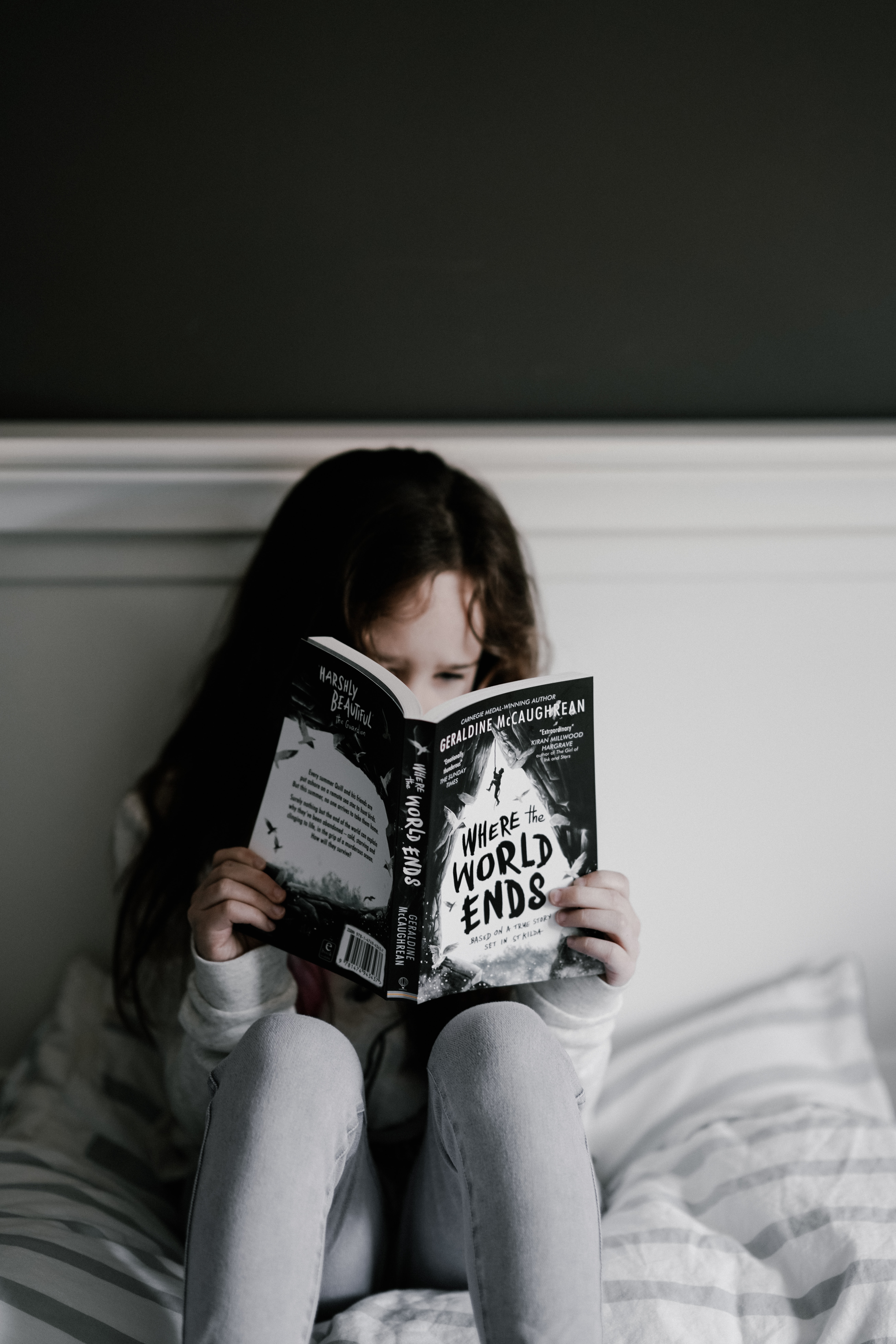

Growing up, every child finds themselves facing the harsh realities of life. In response, traumatic events experienced as a child can shape the processing of new information and impact not only subsequent development but may also leave marks lasting into adulthood. But what if, children’s books addressed these realities of life that would help them grow aware of it? Including the brutal side of life will make children grow up to be confident and prepared for the battles of life.
Being a publishing student, I recently got the chance to attend a Book conference, The Bookseller‘s Children’s Conference 2022. It was exciting for me because, since a very young age, I have sought comfort in books. The conference was extremely informative and included a range of different topics. Nonetheless what interested me the most was the panel discussion titled- addressing tough stuff. The panel had Charlotte Eyre as the moderator, author Adam Baron, publisher Sue Grabham, and data scientist, author and professor of social Inequities, not to mention a fellow Indian, Pragya Agrawal, as the three panellists. What makes this panel even more interesting is the fact that all the panellists have different approaches towards how to address tough subjects in children’s books.
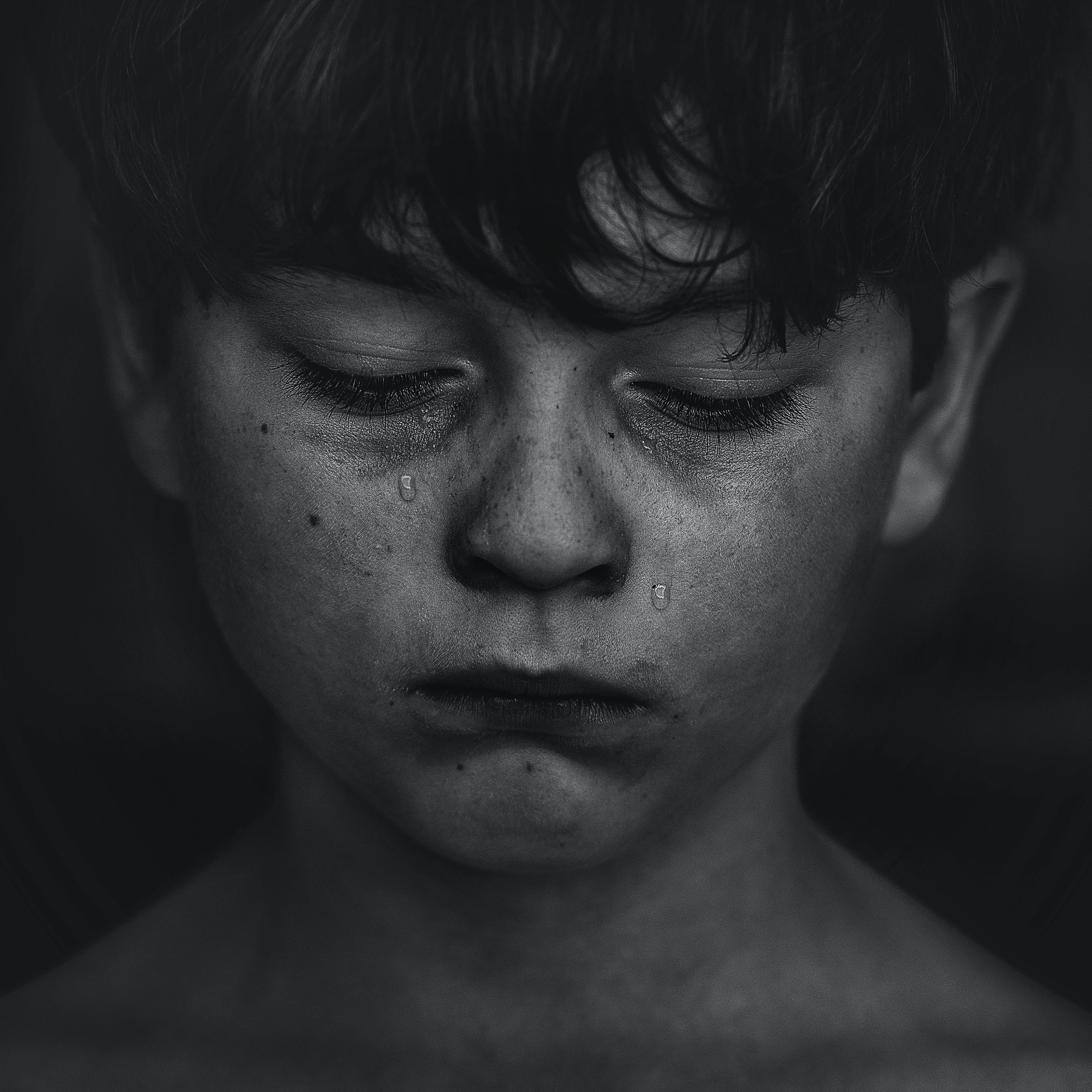
The discussion begins with Prof. Pragya Agrawal emphasising how children form biases at a very young age due to various situations, books and other media around them. She also points out how these biases are not conscious but picked up from cues around them. She uses the examples of fairytales to show the gender stereotype of women as passive characters in need and men as their saviours. Children subconsciously take on different stereotypes based on skin colour, gender etc. She argues that-
“We are all equal and we shouldn’t be treated unequally. We are different, we are special, but we are not unequal”
She explains that by addressing these complex notions, we can help parents along with helping children in handling emotions and responses since many parents do not talk to children about these due to the discomfort around these topics.

I was intrigued by the fact that all three panellists provided hope in their books for the children. Which in my opinion provides a child with a positive outlook towards difficulties and helps them. Sue adds that aiding children with knowledge, permission to feel all emotions and practical solutions are the three steps to empowering a child. Continuing the topic of emotional literacy, Baron adds that humour, warmth and trust are important when approaching children with a harsh subject.
The panel ends with personal experiences of the panellists and the feelings they go through when they write about struggles and their career highlights. By the end of the panel discussion, I realised how examining tough stuff in children’s books does not come without challenge. Children do not rely only on books for information, but social media affects their overall understanding as well. Although the panel does make a great argument regarding why the book is a good medium to help children comprehend the difficulties they are likely to face. However, the underlying issue still remains that some people do not quite understand the importance of addressing tough subjects and often have complaints against the authors. But I really am impressed by the initiative taken but authors to help children be aware of the harsh realities. It is important to acknowledge that life is difficult.
 MSc Publishing – Industry Accredited Postgraduate Degree