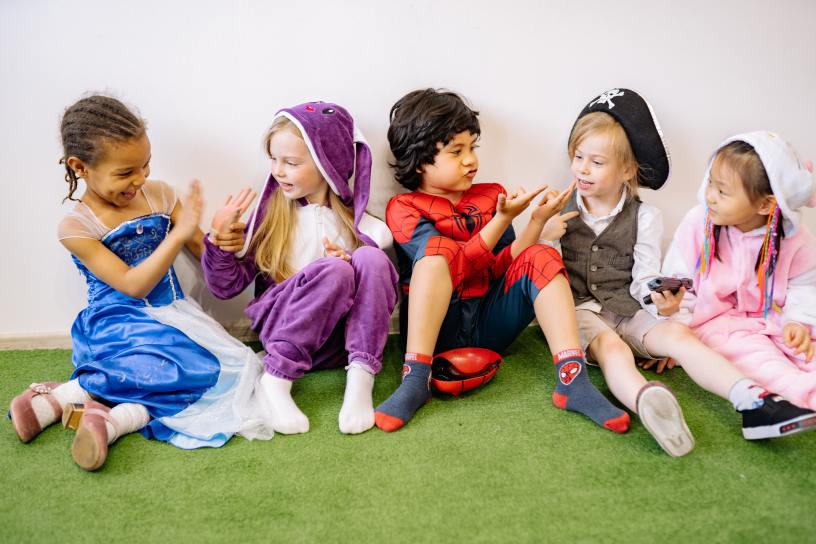
I used to dread World Book Day when I was in primary school. I’m pretty sure I used the classic excuse of being dressed as a muggle to avoid fancy dress almost every year. I hated dressing up – I still do. Unfortunately, I am that person at the fancy dress party who makes zero effort with their outfit, much to the disappointment of the fun-loving host who chose the theme. I’ve come to realise that not dressing up and making a fool of yourself is ironically the more embarrassing option; you only expose your self-consciousness. And that’s what it was, I was too shy and introverted to enjoy dressing up on World Book Day.
When I was younger, I couldn’t understand why I, a book-obsessed child, should hate World Book Day. Listening to Cassie Chadderton, Chief Executive of World Book Day in the UK, speak at The Bookseller’s Children’s Conference last month, it finally dawned on me: World Book Day wasn’t aimed at me. I already loved reading. It was for the children in my class who hated reading, who perhaps didn’t have any books at home. Funnily enough the ones who hated reading seemed to be the ones who loved dressing up – clearly World Book Day know what they’re doing.
Current research by The National Literacy Trust shows that children’s enjoyment of reading is the lowest it has been in 15 years. Even more concerningly, the percentage difference of children from disadvantaged backgrounds who enjoy reading compared to those that aren’t has more than doubled in the last year. The work that charities like World Book Day are doing to help get more children into reading is more valuable than ever.
Later in the day at the Children’s Conference we heard from Dee Lalljee and Cathie Holden from The Bookery, a social enterprise based in Devon who put all of the profits from their bookshop into changing lives in the local community. Each year The Bookery carefully compile a list of 20 children’s books to bring into schools in deprived areas. They look for books that are unputdownable; that can capture a child’s imagination and be the catalyst to turn them into lifelong readers.
It was evident from the urgency with which they spoke how important their work is. But they can’t turn the tide of children’s reading habits singlehandedly. Holden ended her speech by making a direct plea to the many publishers in the room to consider what they can do to help. To name a few of her requests: more paperback releases, better quality early chapter books, books with an older interest age but younger reading age and most importantly, always a focus on a really good read.
As Chadderton noted, children can define themselves as non-readers from a very young age. One bad experience, one humiliating moment and a child can miss out on a lifetime of joy from reading. The passion that the speakers from The Bookery and World Book Day have for the work that they do is infectious and demands to be reflected in the industry. They certainly converted me from a hater of World Book Day to an advocate.
 MSc Publishing – Industry Accredited Postgraduate Degree