“An editor is, or should be, doing something that almost no friend, relative, or even spouse is qualified or willing to do, namely to read every line with care, to comment in detail, with absolute candor.”
Alan D. Williams, “What Is an Editor?” Editors on Editing, ed. by Gerald Gross. Grove, 1993.
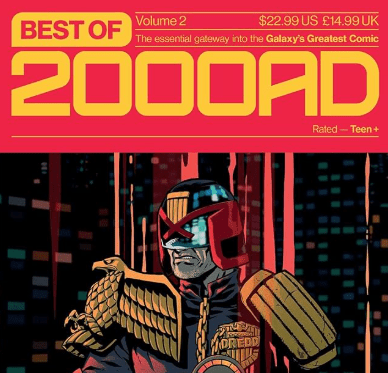
In the year 1993, when that quote was published, D.V. Bishop was an editor. He worked on the Judge Dredd Magazine, a monthly companion title to 2000 A.D. and helped write, storyboard, and design science-fiction stories for the British public. But that’s not how he described it at the Edinburgh Literary Salon. Editing wasn’t merely perfecting the work of others, he explained, not just providing feedback or revising drafts, but rather it was — in the quoted words of one of his early superiors — “to go find the next generation of talent.”

A camera pointed at his face, and before an audience of Edinburgh writers, creatives, and bright-eyed Napier and Edinburgh University students in Edinburgh’s Outhouse Bar, Bishop eagerly recounted that time of his life — nurturing new, young artists, with raw talent and sensibility, and giving them a training ground in which they could flourish. He estimated he’d get around three to five years with those creatives before they flew away, on to bigger and better things — and probably happier lives, he admitted with a laugh. It’s good that the starstruck chair beside him was able to cut through his modesty with names like Robbie Morrison, Simon Frasier, and Frank Quitely; authors he nurtured through their geneses, including one who most recently worked on James Gunn’s Superman (2025).
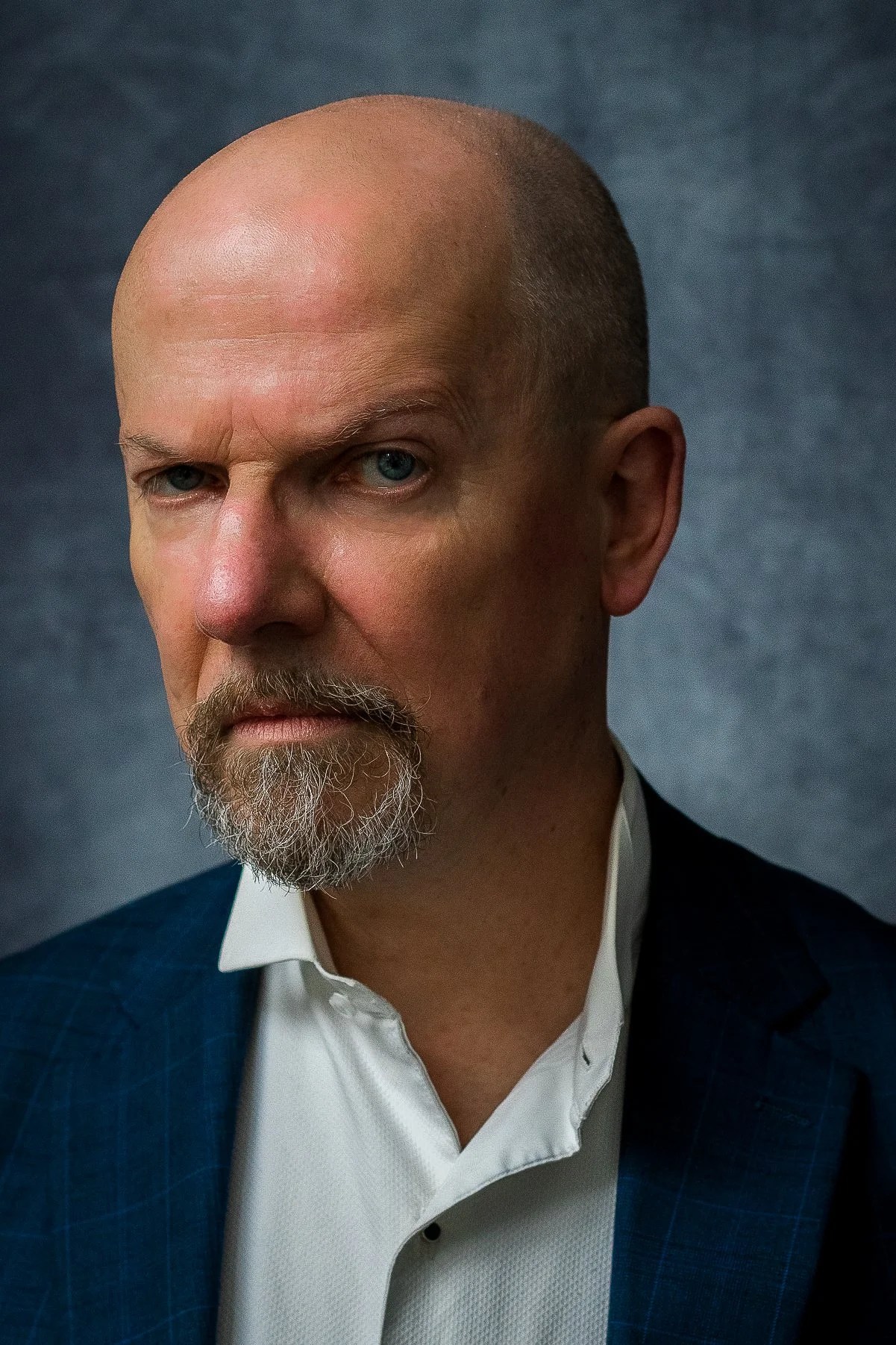
Editing is a complicated profession. They’re “hunter-gatherers,” says Alan D. Williams, “therapist-nag[s] or magic work-meddler[s].” We’re familiar with how they turn a manuscript into a novel, but what came out during this conversation with Bishop was how they can also turn writers into authors — they have a unique role in uncovering new talent, and using their own, encyclopedic knowledge of craft and industry to hammer them into professional shape.
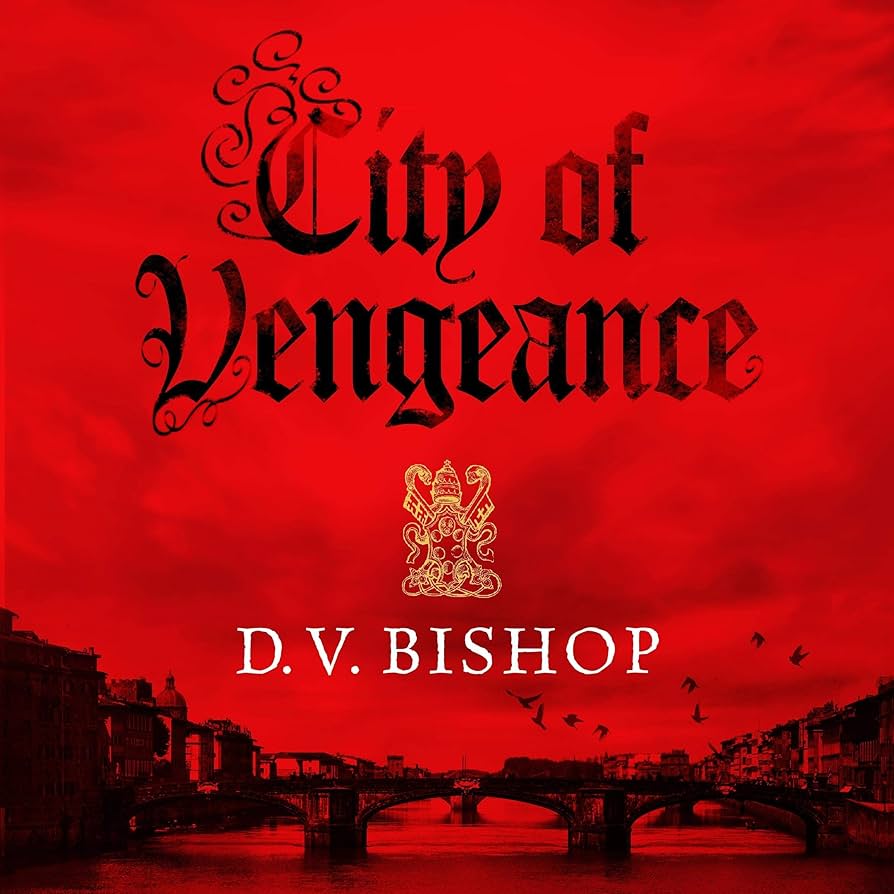
Bishop certainly seems to have taken that role to heart. Even though he stood in front of us as the author of the award-winning, Pan Macmillan-published Cesare Aldo series of historical crime-fiction novels, he also spoke as the professor and founder of Edinburgh Napier’s Creative Writing MSc program, where he’s taken that professional crucible to a place where he believes some talent first sprouts. “Talent breeds talent,” he reminds us — to build one success often invites more.
As an MSc Publishing student, I felt he’d left me with an important lesson — that the publisher has an opportunity to make their space a haven for new talent, and that part of success in this industry is learning to draw talent out, both from the wild and from the people around us, instead of trying to build it from nothing or find it fully-finished.
“Writing for the market is a fool’s errand,” Bishop tells the prospective writers in the room, one more hammer-swing for us all to see. “Write the story for which you are most passionate.”
Bibliography:
- Bishop, David (2025), Interview at the Edinburgh Literary Salon, attended in-person on September 30th 2025.
- Williams, Alan D. (1993) “What Is an Editor?” Editors on Editing, ed. by Gerald Gross. Grove.
- Cover image: Amazon.co.uk. (2023). Best of 2000 AD Volume 2: The Essential Gateway to the Galaxy’s Greatest Comic. 2000 AD. (online) Available at: https://www.amazon.fr/Best-2000-AD-Essential-Greatest/dp/1786188724 (Accessed 16 Oct. 2025)
- Image 1: Eventbrite.co.uk. (2025). Edinburgh Literary Salon. (online) Available at: https://www.eventbrite.co.uk/o/edinburgh-literary-salon-30346933874 (Accessed 16 Oct. 2025).
- Image 2: dvbishop.com. (2019). D. V. BISHOP. Available at: https://dvbishop.com/about (Accessed 16 Oct. 2025).
- Image 3: Amazon.co.uk. (2025). City of Vengeance: Cesare Aldo Series (Audio Download): D. V. Bishop, Mark Meadows, Macmillan: Amazon.co.uk: Audible Books & Originals. (online) Available at: https://www.amazon.co.uk/City-Vengeance-Cesare-Aldo/dp/B08LDT59BS (Accessed 16 Oct. 2025).
Word count (not including title and bibliography): 509
 MSc Publishing – Industry Accredited Postgraduate Degree