
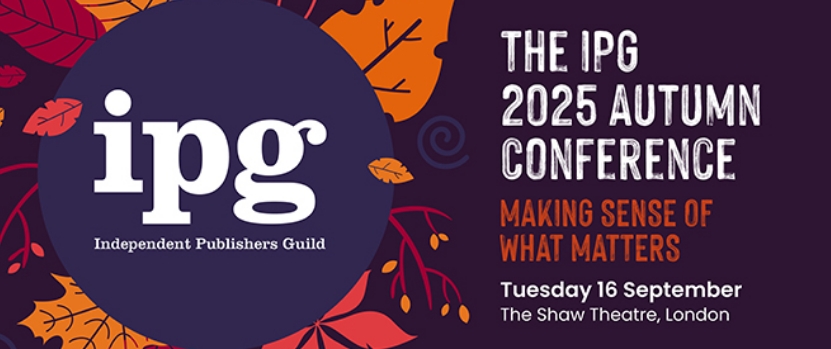
This year, I had the pleasure of attending some of the panels for the Independent Publishers Guild’s Autumn Conference. Though I’ve been fortunate to go to a handful of conventions in the past as a bookseller, the IPG’s was my first glimpse at a conference from the perspective of a publishing hopeful. The day’s proceedings really illustrated the tapestry of independent publishing as a broad industry, one which relies on booksellers, libraries and technology.
Over the last few years, I’ve seen Artificial Intelligence grow both as a concern and as a tool, and it is a development that’s started to dominate professional conversations, as well as personal ones. With this in mind, I was particularly looking forward to Priya Lakhani’s keynote speech about generative AI, and how that can benefit businesses.

Lakhani maintained an ease of understanding I deeply admired, which displaced the personal concerns I’ve harboured about my own familiarity with AI. Her presentation homed in on the intersection between tech, business and creativity. As an industry, publishing relies on these three aspects in somewhat equal measure, and I believe that we must always keep that in mind, so that independent publishers and booksellers can compete in an industry which sometimes feels rigged in favour of conglomerates, and to avoid the ‘over-romanticisation’ of the book industry. Lakhani emphasised the usefulness of AI for businesses, both to analyse the existing data that publishers have, and to make predictions for future decisions.
While Priya Lakhani highlighted that AI is increasingly valuable to the sustainability of businesses, I found that I could not shake off the scepticism I’ve long held regarding Artificial Intelligence. The environmental impacts of AI are well-documented in news and in media, and yet, it seemed like the elephant in the room during this panel. I found myself dismayed that there was little opportunity for audience queries, or to acknowledge concerns that to me seemed so obvious.
“There is no better time to pay attention to the shifts in publishing, and there is no better time to try to change the course of its future.” Clementine Collett, The Bookseller
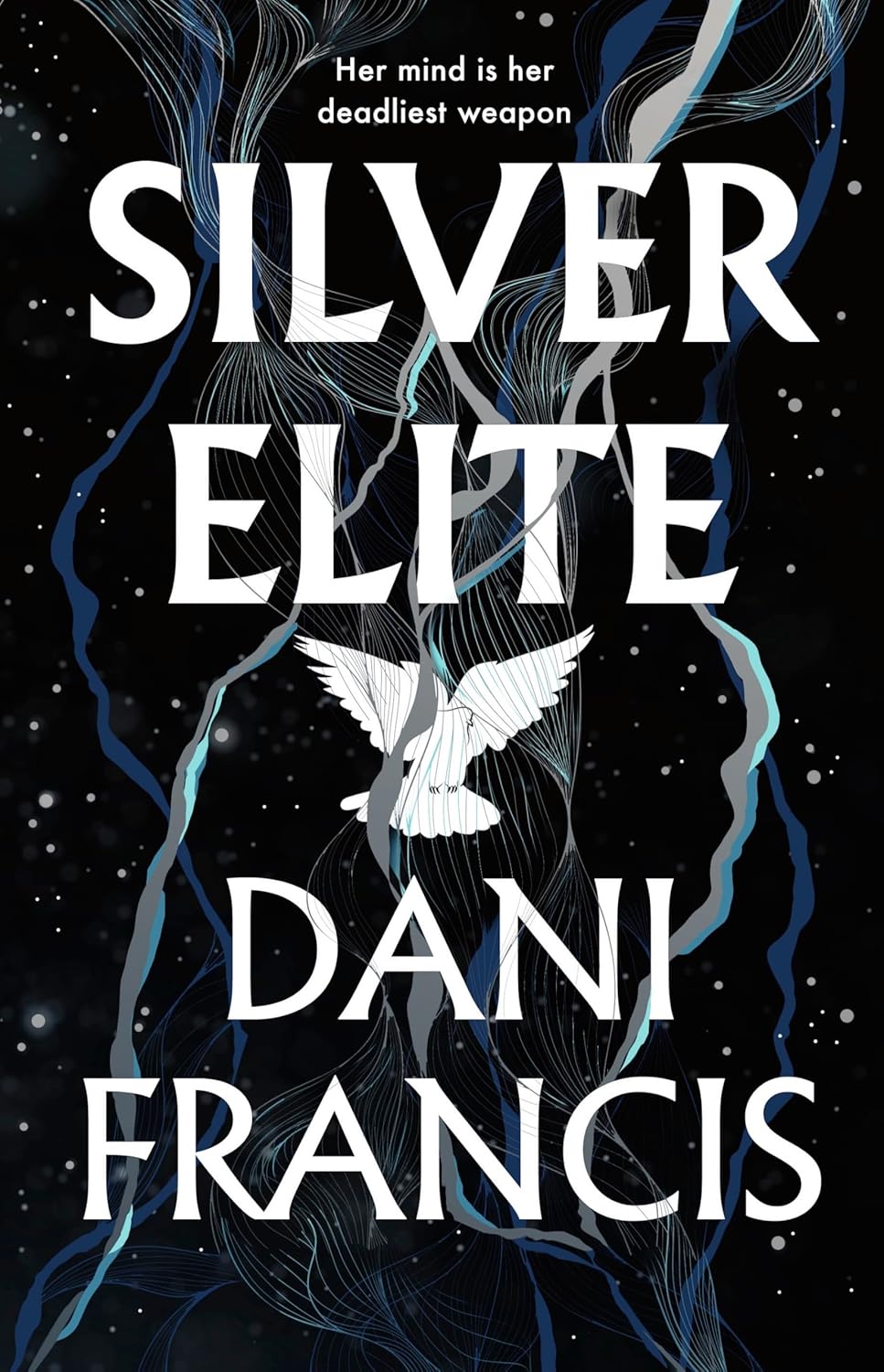
Additionally, it’s worth considering if AI is beneficial to publishing houses with reference to brand perception, and consumer perspectives on AI. Earlier this year, speculation surrounded Silver Elite by Dani Francis (written under an alias), when readers began to suspect it was written by AI, prompting criticism towards Del Rey. Such conversations imply that we should question if the use of AI in publishing is worth the negative brand perception it might bring on. In the fiction market, will consumers tolerate the use of AI?
Though I was chagrined at the limitation on discussion of the panels at the IPG conference, it reminded me of the benefits of attending conferences in person, rather than online, wherever possible. To me, this might encourage conversation amongst the attendees, even if it isn’t possible with the speakers themselves. Like many students new to publishing, the idea of networking is one of vague discomfort. Through my experience of sitting in on some of the IPG’s livestreams, I was able to reframe networking in a more human lens, one which emphasises conversation and connection regarding shared interests and concerns. I hold a renewed excitement for future conferences and festivals I can attend, both in my time as a student, and in the years that follow.
Bibliography
- Collett, C. 2025. A call to AI action [online]. Available at https://www.thebookseller.com/comment/a-call-to-ai-action. [Accessed 14/10/2025]
- Jennings, J. 2025. Has AI Come for Romantasy Novels Already? [online]. Available at https://www.jezebel.com/has-ai-come-for-romantasy-novels-already [Accessed 16/10/2025].
- Lakhani, P. 2025. Independent Publishers Guild Autumn Conference. Keynote: Priya Lakhani. 16/09/2025, London
- W. D. 2025. Why do readers think that Silver Elite was written by AI? [online]. Available at https://medium.com/worldbuilding-wednesday/why-do-readers-think-that-silver-elite-was-written-by-ai-082b3f1f2844 [Accessed 16/10/2025].
 MSc Publishing – Industry Accredited Postgraduate Degree