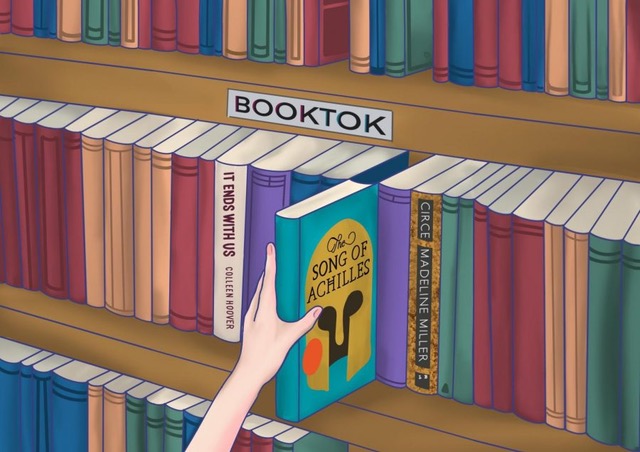
With the emergence of Kindle Direct Publishing and other forms of self-publishing platforms, it seems like anyone can become an author nowadays… but is that true?
While self-publishing has recently become more popular, it is not something new. There are accounts of self-publishing books going as far back as the nineteenth century, with notably Charles Dickens who initially self-published A Christmas Carol in 1843 after being unhappy about his earnings from his publisher (Publisher Weekly, 2022). Fast forward to today: self-publishing has become an essential part of the book publishing industry. In 2016 in the US, 229 million self-published books were purchased, which equalled to $867 million in book sales. In this period, for every 4 traditionally published books purchased, one self-published book was sold, making the tradition to self-published book ratio not as far apart as imagined (Henningsgaard, 2020).
In a panel on indie publishing organised by the Edinburgh Women’s Fiction Festival in September 2024, a few authors were talking about their experience with self-publishing (which they referred to as indie publishing). Amongst them was Elliot Fletcher, author of Whisky Business who explained that her first two books were indie published but then, gaining rapid popularity on TikTok, her second novel was picked up by HarperCollins.
Indeed, with the growth of social media, the readers’ experience when it comes to purchasing titles has changed radically: many people tend to follow trends of popular books rather than go to a bookshop and browse. According to a 2024 survey conducted by YouGov, 46% of book consumers across 17 international markets prefer to shop online rather than in bookstores (YouGov, 2024). With a higher number of people just shopping online, social media marketing has taken a primary role in publishing. The emergence of BookTok during the pandemic presents a turning point in marketing self-publishing book in the digital era. According to Charle Agency, TikTok reached 1.5 billion users in 2023, with 38.5% of its users aged between 18 and 24. The social media is therefore a huge platform which can advertise books to potentially hundreds of millions of people.
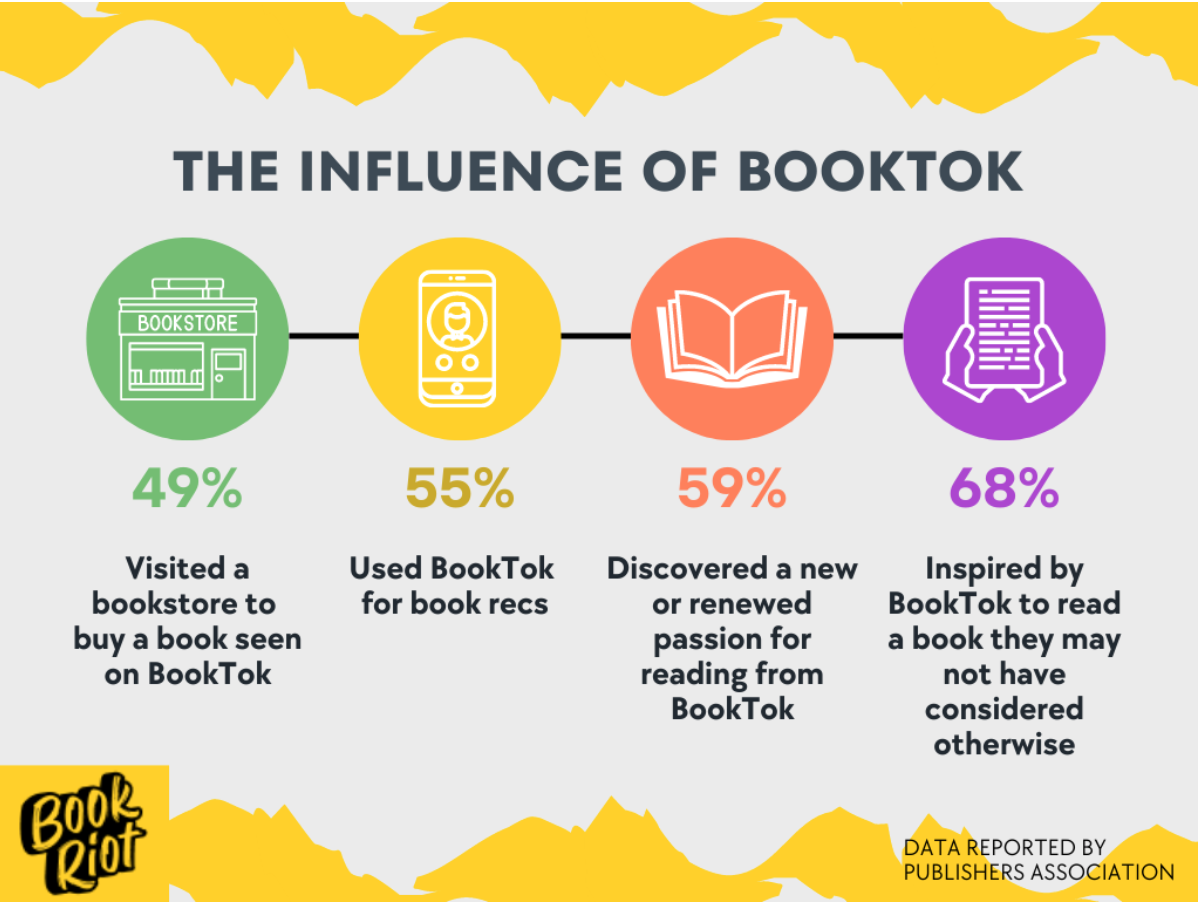
Kristy McKay, founder of The Book Dragon, a bookshop that only sells self-published books, has said in an interview with the BBC that since BookTok, books that tend to go under the radar are advertised and gain unpredicted popularity. She argues that it is making it easier for self-published author to reach a wider market and profit from writing, which is usually not the case (BBC, 2023). There are many cases of authors who struggled to get their manuscript published in the first place with a traditional publisher but with their books gaining attention online, are managing to get book deals with one of the big five. The Atlas Six by Olivie Blake is a prime example of this phenomenon. After self-publishing her novel, the book was the subject of numerous videos on TikTok, so much that it became a bestseller. After a bidding war amongst publishers, Pan Macmillan signed a six-figure deal with the American author.
TikTok has therefore become a platform for indie authors to advertise their books and sometimes get picked up by traditional publishing, obtaining high figures deals and even film or tv adaptations contracts.
Bibliography
Sources:
Ariyanayagam, A. 2023. TikTok’s #BookTok trend ‘literally changed my life’. BBC [online], 3 December. Available at: https://www.bbc.co.uk/news/uk-england-67555175 [Accessed 13 October 2024].
Charle. 2024. Top 23 TikTok Statistics and Facts you need to know. Charle [online] 8 September. Available at: https://www.charle.co.uk/articles/tiktok-statistics/#:~:text=The%20age%20demographics%20of%20TikTok,but%20a%2061.7%25%20increase%20in [Accessed 12 October 2024].
Fletcher, E. 2024. Edinburgh Women’s Fiction Festival. 27 September.
Gray, H. O’Neill, E. Regan, E. and Ridgway, J. M. 2022. From Self-Pub to Bestsellers: How TikTok Has Changed the Publishing World. The Publishing Post [online]. Available at: https://www.thepublishingpost.com/post/from-self-pub-to-bestsellers-how-tiktok-has-changed-the-publishing-world [Accessed 10 October 2024].
Henningsgaard, P. (2020) ‘Types of Publishing Houses’, in Baverstock, A. Bradford, R. and Gonzalez, M., eds. Contemporary Publishing and the Culture of Books. London: Routledge, pp. 49.
Scherstuhl, A. 2022. Just Do It (Yourself): A Brief History of Self-Publishing. Publisher Weekly, [online] 19 April. Available at: https://www.publishersweekly.com/pw/by-topic/industry-news/publisher-news/article/88987-just-do-it-yourself-a-history-of-self-publishing.html [Accessed 17 October 2024].
Simeon, L. 2024. Online vs Offline – How Consumers Across Markets Buy Books. YouGov, [online] 6 September. Available at: https://business.yougov.com/content/50458-online-vs-offline-how-consumers-across-markets-buy-books#:~:text=According%20to%20data%20from%20a,so%20from%20an%20online%20retailer. [Accessed 12 October 2024].
Images:
Book Riot (2023). The Influence of BookTok. Statistics. Available at: https://bookriot.com/gen-z-reading-trends/ [Accessed 16 October 2024].
Samantha Galang (2021). BookTok. Illustration. Available at: https://shhsaccolade.com/8713/ae/booktok-revives-students-love-for-reading/ [Accessed 17 October 2024].
Edinburgh Women’s Fiction Festival (2024). Festival Logo. Available at: https://www.edwomensficfest.co.uk [Accessed 28 September 2024].
 MSc Publishing – Industry Accredited Postgraduate Degree