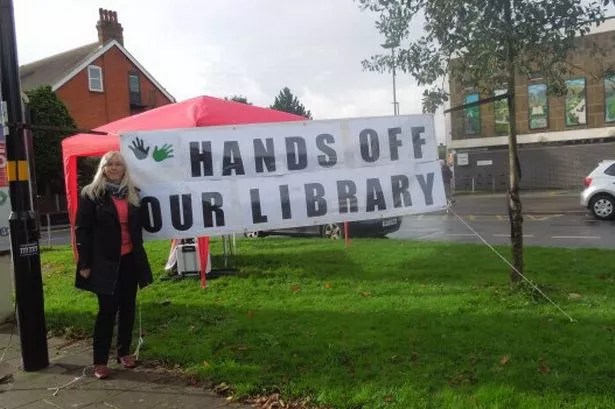
Growing up, libraries played a huge role in my childhood. I have vivid memories of spending hours sat on the floor surrounded by stacks of books, painstakingly trying to narrow my choices down to the eight we were allowed to check out per trip, all the while my mother was stood next to me looking through the stacks to find books in her mother tongue which she yet to check out. As I grew up, I realised that this bonding time was invaluable, not only in building my relationship with my mother but also in cultivating my lifelong love of reading. It could be argued that we could have just used bookshops for this same purpose and, in the end, have had the same result, but it is important to note that my situation, like that of many others then and now, meant that it was exceedingly rare that money could be set aside purely for entertainment. Beyond that, I highly doubt that we would have had the same level of help, support, and encouragement as we were able to receive from the library. They were able to point us in the direction of several groups which helped us build community in a new area and helped my mother read to me daily in a language which was not her own. This level of aid and community would never be found in a bookshop as, though everyone there are book lovers, they are also there first and foremost for profit. It is for this reason that libraries played a key role in the development of not only my own reading habits, but also those of many children like me.
The idea that third spaces such as libraries, youth groups, and community centres are important for society was first introduced by Professor Ray Oldenburg in his book Third Place: Inspiring Stories About the Great Good Places at the Heart of Our Communities where he defined them as places where someone can go to enjoy regular company, good conversation and a sense of community. He spoke of them being key for a person’s sense of belonging in the community. This sentiment was developed further by some of the speakers at the Bookseller’s Children’s Conference, particularly in reference to those who may have grown up with harsher backgrounds as, as mentioned by Sofia Akel, these places also provide safety and quiet for children who may have very little of this in their home lives. For this reason, it is devastating that these spaces have been lost to the impact of austerity on budget allocations.
Publishers and book charities across the board have all flagged this as a huge issue for our communities and, more importantly, for children’s literacy now and in the future. In an effort to rectify this issue, they have begun to donate money and free books, though they all had the same message at the end of their talks: This is work which should not have to be undertaken by charities and private companies. This is, at its core, a failure of the government which needs to be addressed and fixed at the highest level.
 MSc Publishing – Industry Accredited Postgraduate Degree