
How many times have you been shamed or made fun of because of your interests? What about because of your reading preferences? If you’re part of a community that enjoys any type of “feminine” labeled entertainment, you’re probably familiar with the phrase “crazy fangirl” or have even been ridiculed simply because you express joy for a particular artist, book, film, or any other interest with a fanbase behind it. It has happened ever since being a “fan” was a thing. We’ve seen it with artists such as Elvis, Michael Jackson, The Beatles, One Direction and, a more recent example, with Taylor Swift. But this is not limited to pop culture figures. In the literary world, a number of titles and series have captured the interest of millions of readers and have built a loyal community dedicated to their characters and their world. Some examples are Marvel Comics fans, Potterheads, The Mortal Instruments fans, The Lord of the Rings, Game of Thrones… and the list goes on.

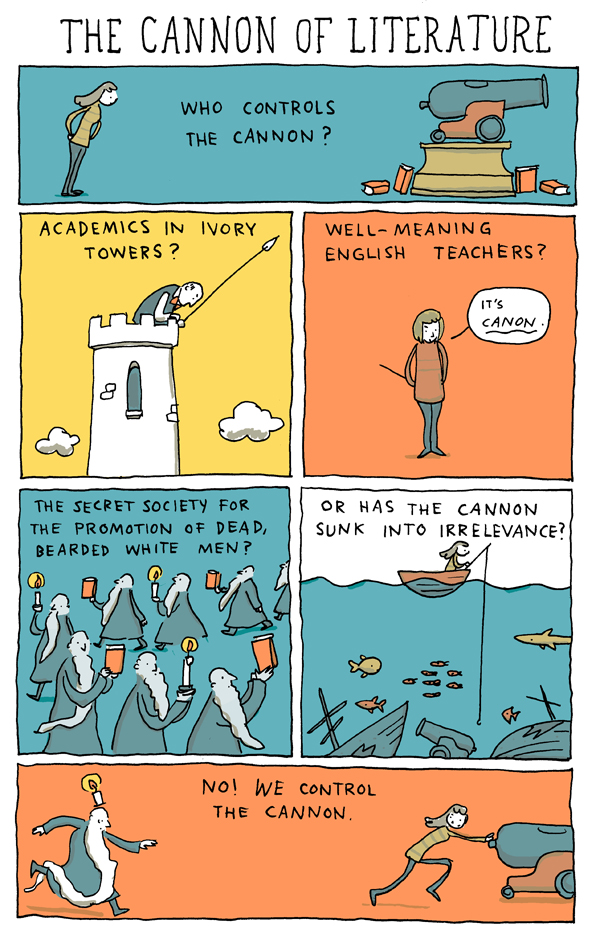
Besides the double stigma concerning “masculine” vs. “feminine” forms of entertainment (whatever that means), many fandoms have to also deal with stereotypes and mockery from non-fans that devalue the works they are interested in. More often than not, even if the critic is a bookworm themselves, many of the previous series are not considered “real reading” or “real books”. But what is “real reading”? What exactly is “real literature”? The short answer, or at least what appears to be the common perception, is that real literature is what is taught at school, it’s the renowned classic, the beloved title that is part of the literary canon and has been for decades or even centuries (the literary canon which is in fact, mostly dominated by male authors). But who decides what “real literature is”? Who decides what is “worthy” and what is not?
During The Bookseller’s Children’s Conference, Rob Power from Bonnier Books talked about the importance of knowing your audience when publishing for a specific reader such as Star Wars or Marvel fans. He developed on the fact that these titles do well in the market simply because publishers are aware (or should be) of who they are targeting and everything that surrounds their world, the characters, their conversations… With this, his main point was that the key to success is actually quite simple: treating fans with respect. Being a fan is all about enjoying your interest, no matter how niche or intricate it may seem to others, and building a community with whom you feel understood and connected to. Publishers, parents, and other readers must learn to accept that, as Power explains, reading is reading, books are books, and the main point of reading is to enjoy them. And if that enjoyment comes with a community of fans who share your enthusiasm, what’s the harm in that? There is a reason why the mentioned fan bases have a massive following and their publications a massive success across the international market. Being a fan gives you a sense of belonging, a community to lean on and express your ideas to, a source of (ideally) harmless entertainment and joy. So, if your child, sibling or cousin wants to pick up Marvel Spider-Man The Amazing Pocket Guide or The Hunger Games, encourage them!

 MSc Publishing – Industry Accredited Postgraduate Degree