Prior to attending The Bookseller Children’s Conference, I was most looking forward to hearing the talks on the latest approaches to digital marketing and changing online platforms in the modern publishing world. As a publishing student, I try to keep track of the ongoing conversations being had by professionals in the field and the loudest of these seem to be devoted to how technologies and social media are evolving day by day and how we as publishers can navigate these changes to our own success, and how to convince readers to choose one book over another.
What I hadn’t anticipated was being drawn towards How We Reach Children Who Don’t Buy Books, the talk by Dee Lalljee and Cathy Holden in which they discussed how these potential customers become readers in the first place. Lalljee and Holden remark on the benefits of reading for pleasure, citing research from 2012 that links this to academic success and social and emotional wellbeing, however they raise the point that not every child has access to reading for pleasure. Children who come from deprived areas and low-income families are not able to buy books and so do not read, but this does not mean they have no desire to.
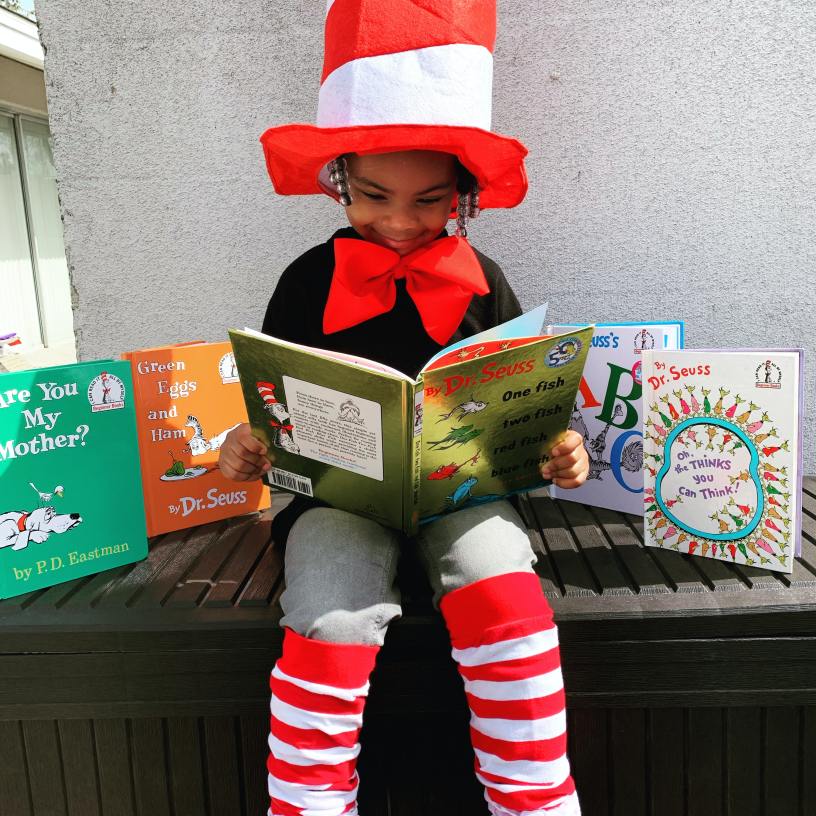
The speakers went on to talk about their work with World Book Day and discussed how the aspect of dressing up as your favourite character is vital to engaging children and fostering an interest in reading as a hobby rather than picking up a screen. Through events like these, they will sell books for £6 or 2 for £10, prioritising affordability over profit as their social aim to encourage reading means their goal is to get the books in children’s hands.
Events like World Book Day also help to raise awareness in teachers of what books children are reading today, as they touch on the fact that many do not know about contemporary children’s fiction. One thing they do to help combat this is compile a list of the 20 best new releases each year and categorise them into groups that appeal to every age group and encourage schools to buy a box of books for the library so even the children who do not have money to buy books are still able to access them and have the same opportunity to read for pleasure.
My main takeaway from their presentation was just how vital this kind of work is, as it is based in the belief that any child can be a reader, they just need access to books. Lallijee and Holden bring awareness to the children who would be left behind due to economic status and break down obstacles that would otherwise prevent them from discovering reading for pleasure, not just a fundamental skill, but something that sparks a lifetime of entertainment and joy.
Photo by Catherine Hammond via Unsplash
 MSc Publishing – Industry Accredited Postgraduate Degree